By Farah Zainal — Contract Manufacturing Analyst
Brazil rarely makes a Malaysian brand owner’s first sourcing shortlist. Korea, China, Thailand and local Malaysian factories usually fill those slots, and for good reason: they are close, familiar, and easy to visit. But Brazil runs one of the largest cosmetics manufacturing bases in the world, and in a handful of categories — professional hair smoothing above all — its factories are genuinely ahead of anything you will find closer to home. This guide looks at ten Brazilian cosmetic factories from a specifically Malaysian angle: what they make, what it takes to bring their output into Malaysia legally, and when you should simply source locally instead.
Key takeaways
- Brazil’s contract-manufacturing base is concentrated in Sao Paulo state, especially the Campinas corridor, which makes a single sourcing trip cover several factories.
- Hair chemistry — keratin, protein and nanoplastia smoothing systems — is the category where Brazilian factories genuinely lead. Most other categories can be sourced closer to home for less.
- Importing into Malaysia means you, or your local importer, become the product holder under NPRA. The Brazilian factory’s ANVISA paperwork does not carry over.
- Ocean freight from Santos to Port Klang runs roughly 35 to 55 days door to door depending on routing, which reshapes your whole launch calendar.
- Halal is the single biggest structural gap. Almost no Brazilian cosmetic factory holds a JAKIM-recognised halal certificate.
Why Brazil is on the map at all
Brazil is consistently ranked among the four largest cosmetics and personal-care markets globally, and that domestic scale created a deep supplier ecosystem behind it: raw material houses, packaging converters, testing labs and, most relevant here, hundreds of factories that manufacture for other people’s brands. The Portuguese term for that service is terceirizacao, and it maps closely onto what a Malaysian brand owner would call OEM or contract manufacturing.
What makes Brazil different from a low-cost sourcing market is that the factories are not primarily export shops. Most of them were built to serve Brazil’s own enormous internal demand. That has two consequences worth understanding before you email anyone: capability in certain categories is world-class, but export literacy — English documentation, foreign registration dossiers, familiarity with ASEAN requirements — is uneven and has to be screened for individually.
The ten factories worth knowing
The companies below were identified through Portuguese and English research and their official websites were opened and captured in August 2026. They are listed alphabetically, not ranked. Everything about capability, minimums and certification is as published by each company; treat it as a starting point for your own diligence, not as verified fact.
AGE do Brasil
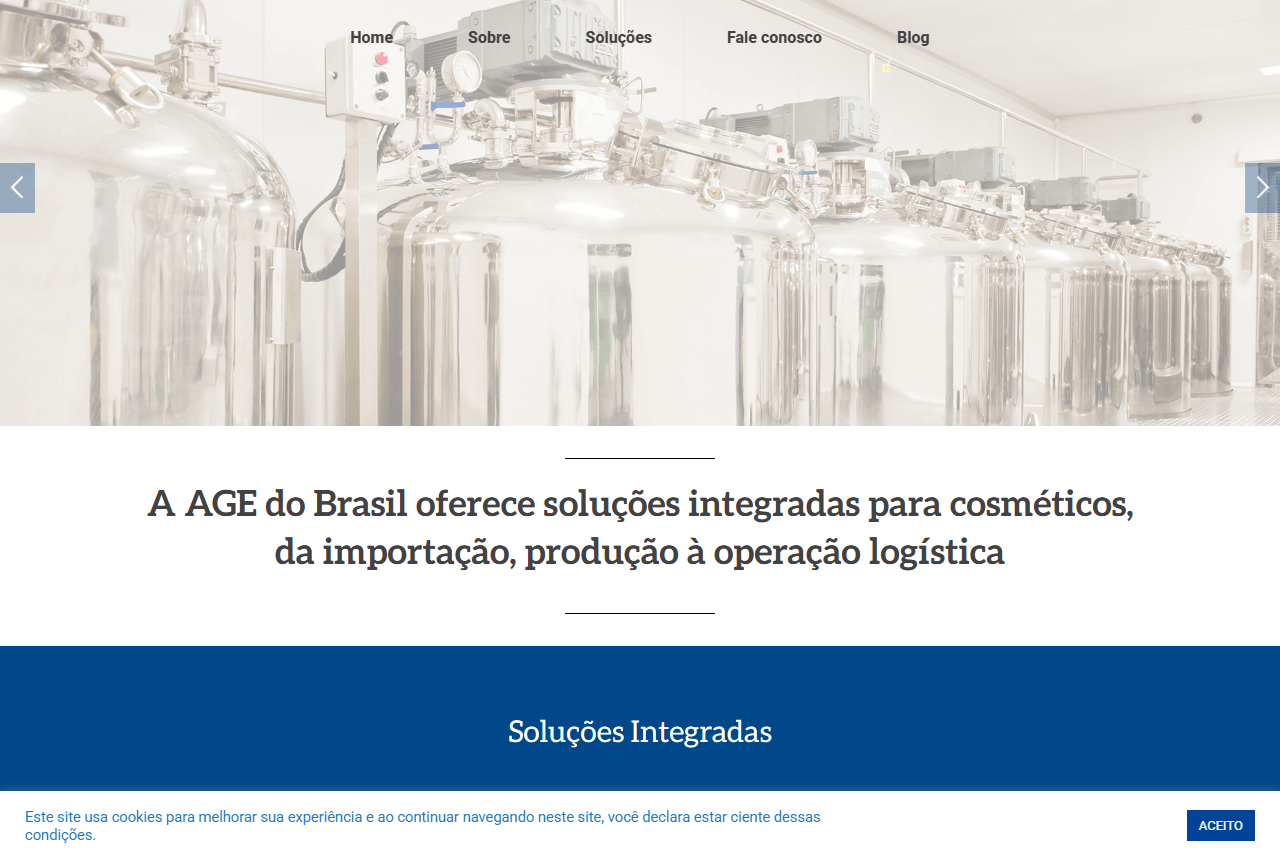
HQ: Vinhedo, Sao Paulo · Type: Contract manufacturer plus import and logistics operator · Best known for: Bundling production with customs, warehousing and regulatory work
AGE positions itself as a single counterparty covering importation, production and logistics, with legal, accounting and regulatory services attached. For a Malaysian brand that has no presence in Latin America, that consolidation is the most interesting thing on offer — it means one contact instead of a factory, a freight forwarder and a regulatory consultant. Confirm early how much of the formulation work is done in-house, because platform businesses often broker the R&D rather than own it.
Eco Beauty
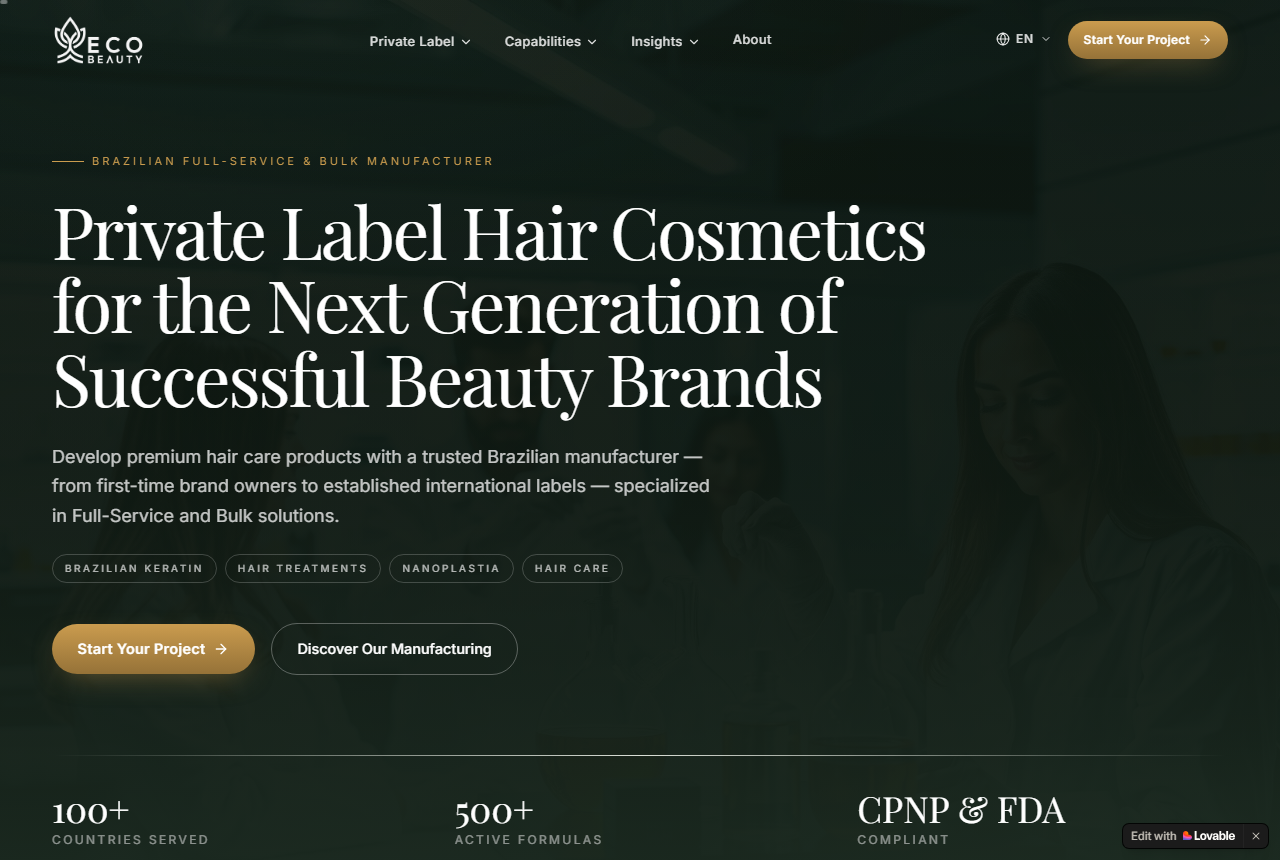
HQ: Campinas, Sao Paulo · Type: Private label and bulk, hair category · Best known for: Brazilian keratin, protein and nanoplastia systems
If there is one reason for a Malaysian brand to look at Brazil rather than Korea or Guangzhou, this is it. Eco Beauty builds professional smoothing and treatment chemistry, states a 300-litre minimum per SKU under both full-service and bulk models, and claims presence in over 100 countries. The bulk option is worth noting for Malaysian buyers: importing bulk and filling locally can shift both your duty position and your NPRA documentation burden, and it is worth pricing both ways.
Florus Brasil
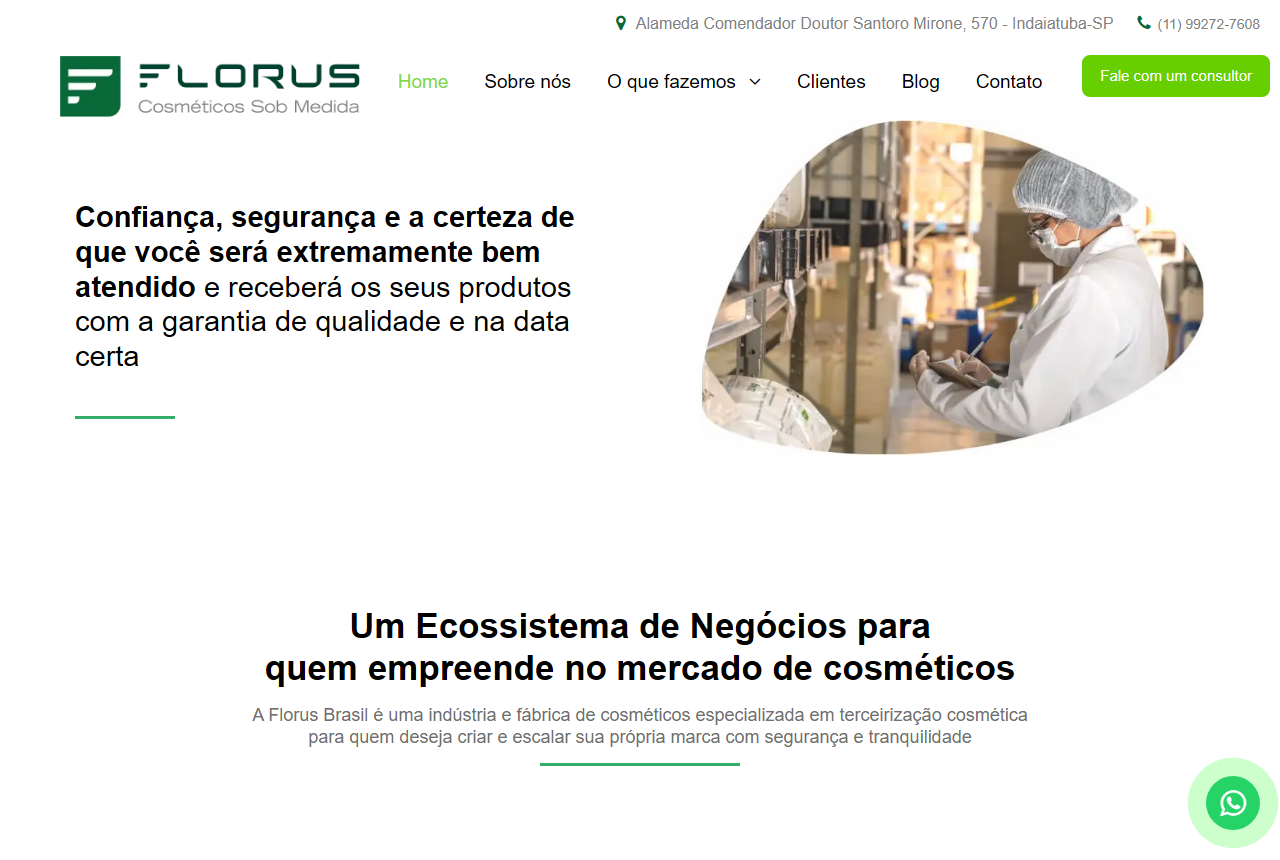
HQ: Indaiatuba, Sao Paulo · Type: Terceirizacao with a large stock-formula library · Best known for: Fast starts using ready formulations
Operating since 2002, Florus publishes figures of 600-plus brands served, 3,600-plus available formulas and capacity above 20,000 units a day. A large stock library shortens development dramatically, which suits a brand testing a concept. The trade-off is the same one you face with any stock formula anywhere: the base is not yours, and a competitor can buy it too. Get the exclusivity position in writing before you invest in packaging tooling.
HRT Cosmeticos
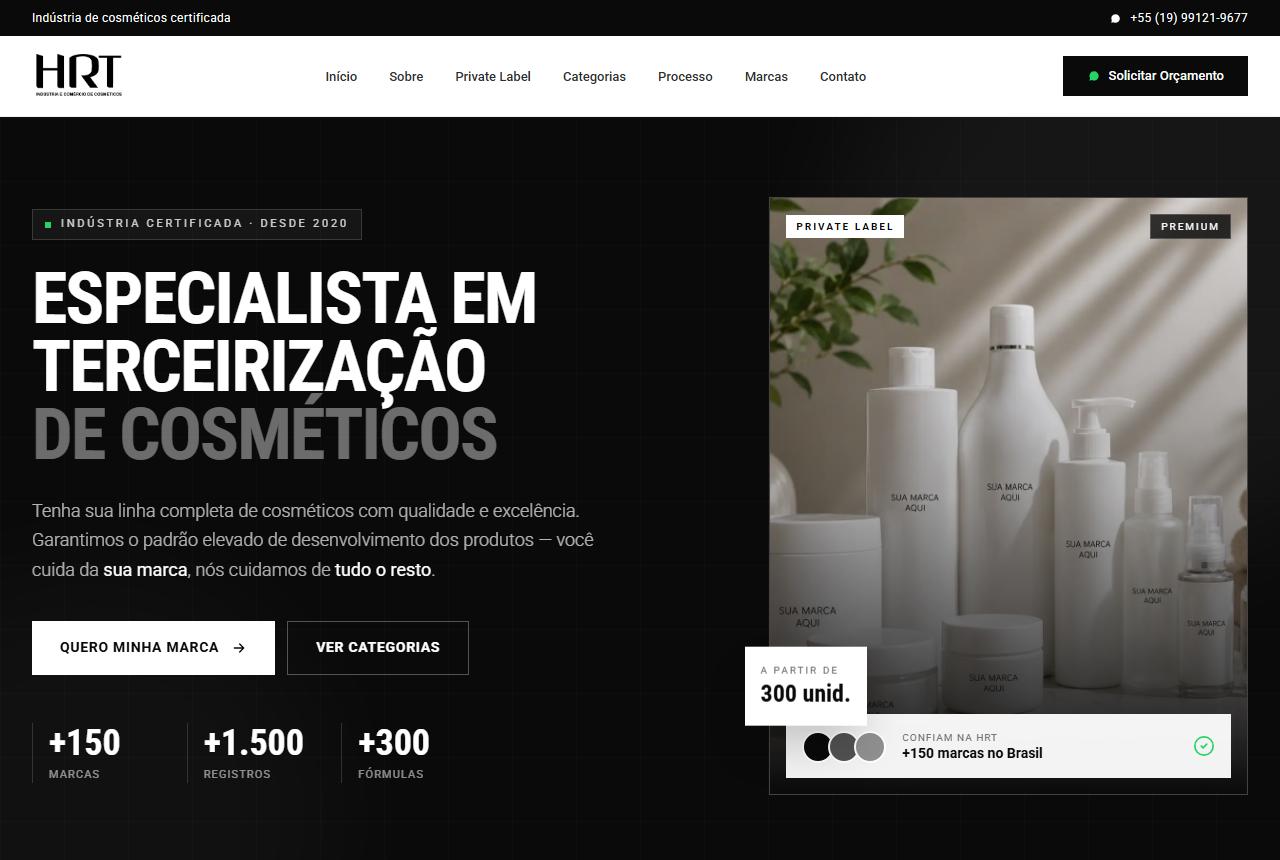
HQ: Campinas, Sao Paulo · Type: Private label with low minimums · Best known for: Starting batches from 300 units per SKU
HRT is the youngest company here, founded in 2020 according to its own published structured data, and it has aimed squarely at the low-minimum end: 300 units per SKU, 300-plus formulas, 150-plus brands served. For Malaysian brands used to negotiating hard on MOQ, that entry point is competitive. The counterweight is tenure — five years of trading history is not much when you are shipping across an ocean, so ask for references from brands that have been with them for two or more years.
Larimar Cosmeticos
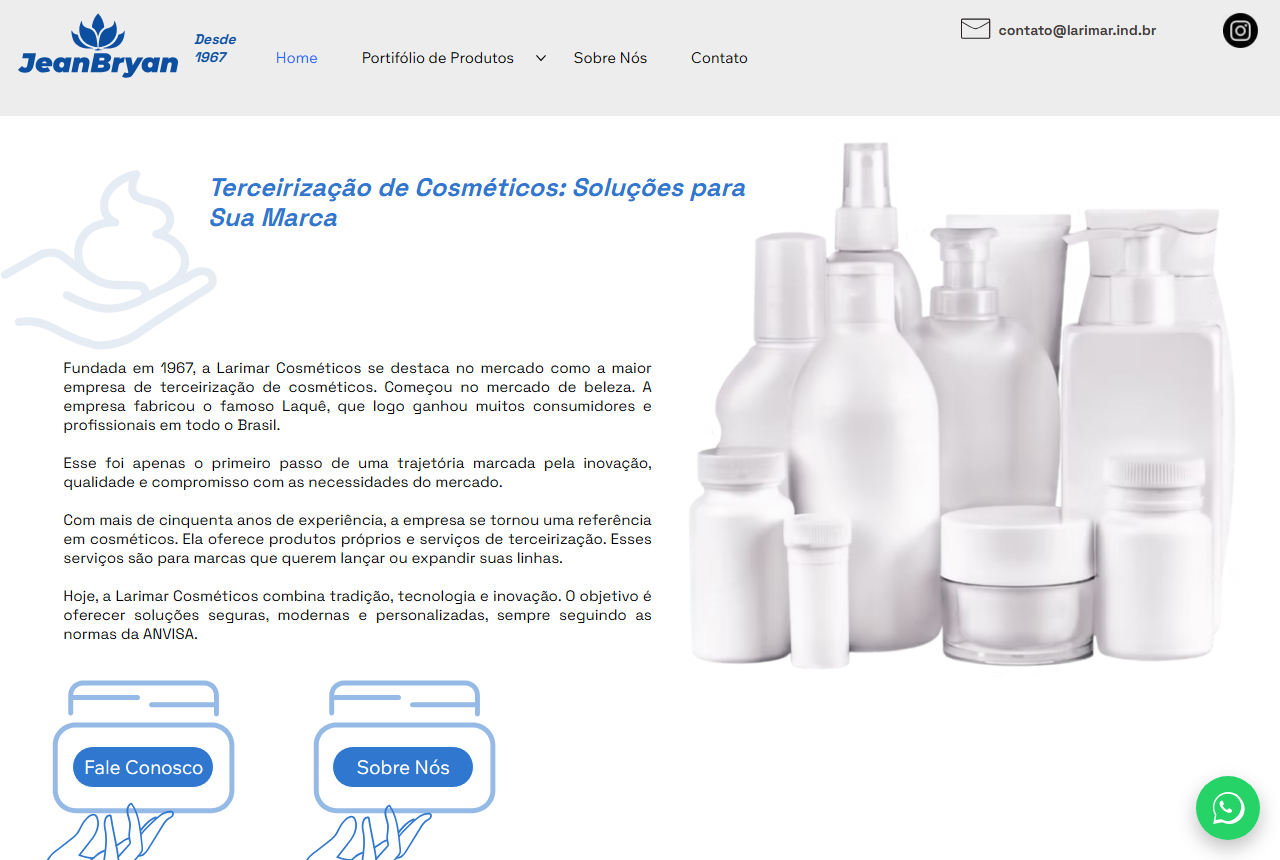
HQ: Novo Hamburgo, Rio Grande do Sul · Type: Long-established contract manufacturer with an own brand · Best known for: Creams and professional lines in small runs
Founded in 1967, Larimar is the oldest company on this list and the only one in Brazil’s far south, near Porto Alegre. Its published portfolio runs past 120 products across body, hand, massage and protective creams, deodorants, hair and professional lines, sun care and vegan options, and it markets small-run production explicitly. Note that it also runs its own consumer brand, Jean Bryan, so it is worth asking how capacity gets allocated between house brand and client work in a busy season.
Leclair Cosmeticos
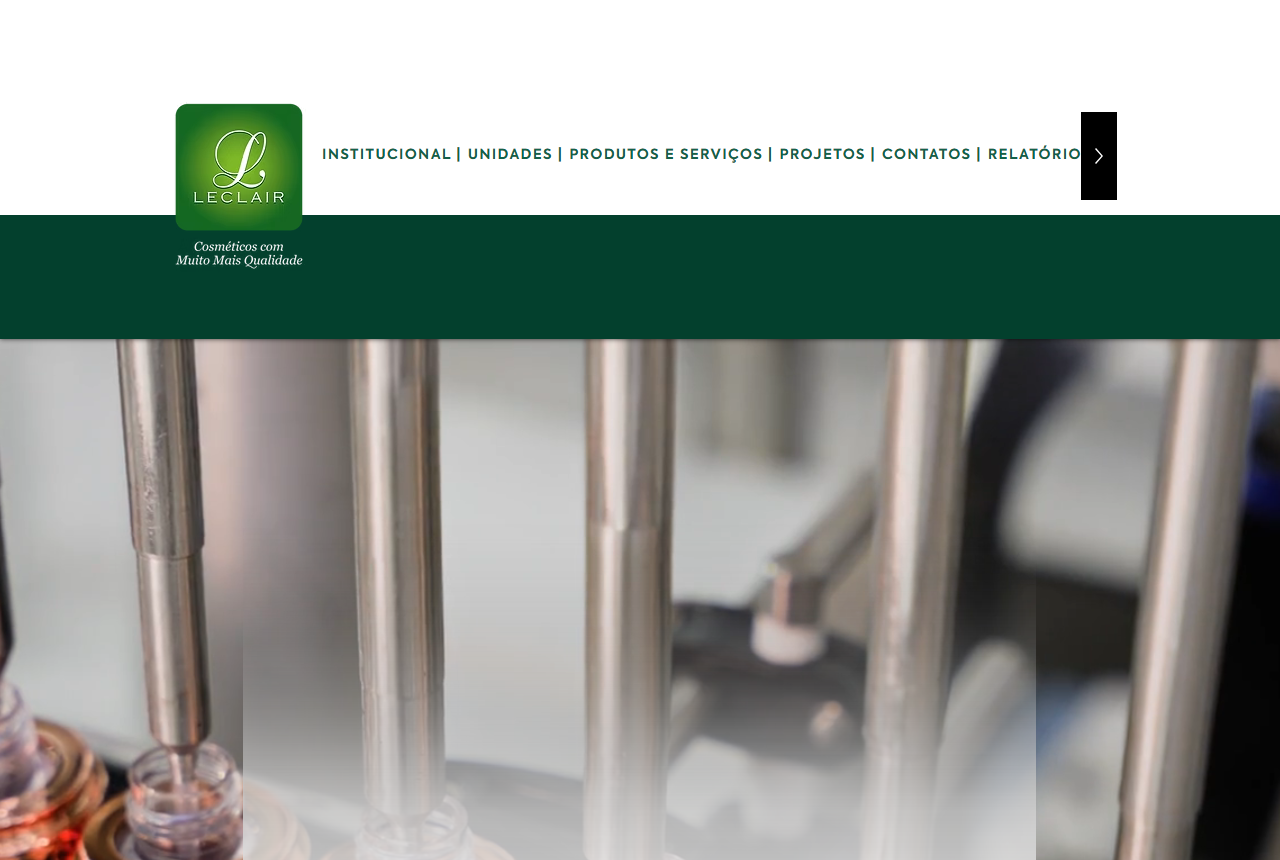
HQ: Sao Jose dos Pinhais, Parana, with a second unit in Bauru, Sao Paulo · Type: Multi-plant industrial HPPC group · Best known for: Bar soap, creams and lotions, kit assembly
Leclair is the most conventionally industrial name here, running personal hygiene, perfumery and cosmetics production across multiple sites plus separate storage and packaging units. Bar soap is a real specialism and one that most private-label houses cannot serve at all, since it needs entirely different plant. Kit and case assembly is the other thing worth flagging for Malaysian buyers building festive gift sets, where the packing labour rather than the bulk is usually the bottleneck.
Lipson Cosmeticos
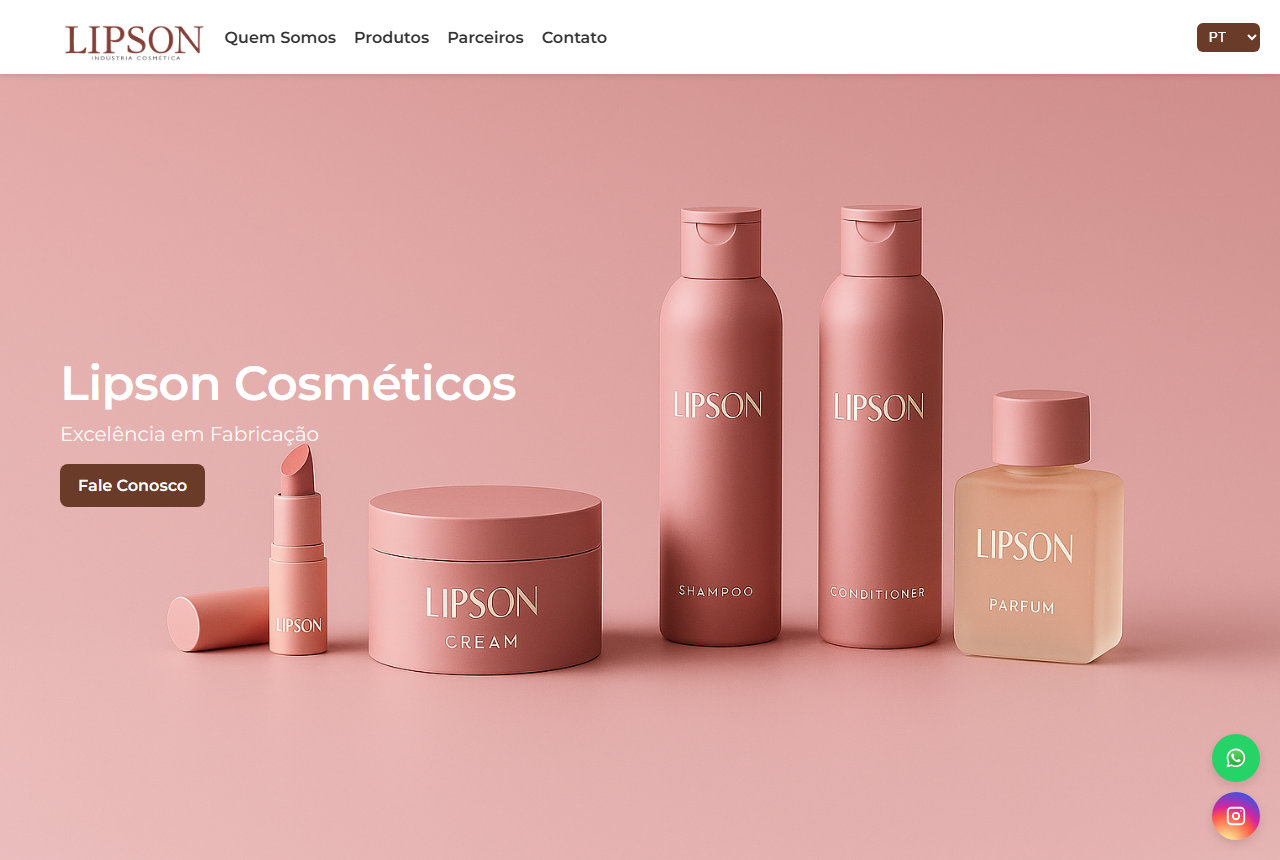
HQ: Diadema, Sao Paulo · Type: Full service and industrialisation · Best known for: Colour cosmetics alongside skin, sun, hair and fragrance
Thirty-plus years in the industrial belt south of Sao Paulo city, Lipson offers both models buyers care about: full service, where the factory develops everything, and industrialisation, where you bring your own formula and buy capacity only. Make-up is a distinct line rather than an afterthought, and the company describes in-house quality control, microbiology, quality assurance, regulatory affairs and R&D. Colour is the hardest category to source well anywhere, so a factory keeping microbiology in-house is worth a closer look.
Private Cosmeticos
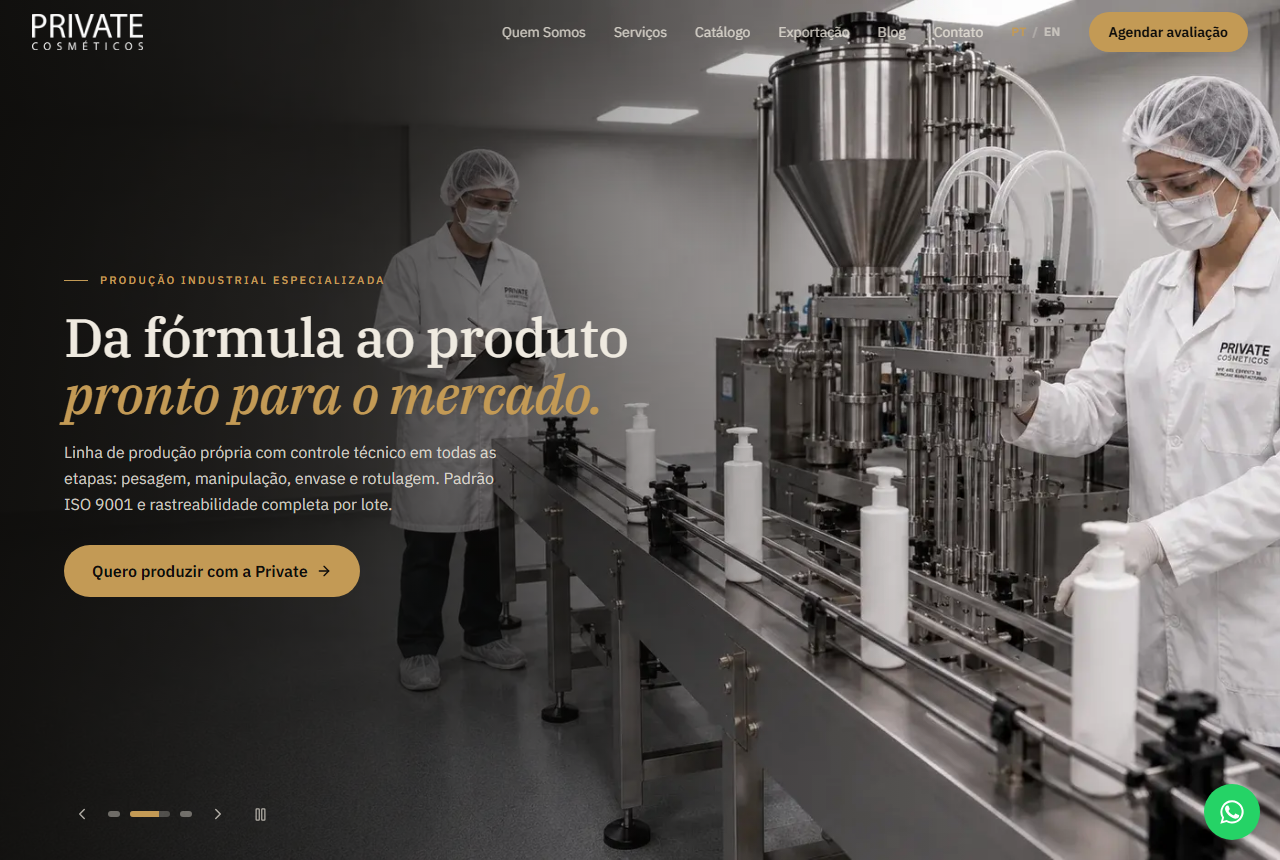
HQ: Valinhos, Sao Paulo · Type: Full-service manufacturer with export focus · Best known for: Export documentation across ten product lines
Of the ten, Private publishes the most export-ready posture: ISO 9001 alongside ANVISA, and stated support for CPNP, FDA and halal files, with dossiers it says adapt to the European Union, Middle East and North America. It also runs an English-language site, which usually signals a commercial team that has handled foreign buyers before. Verify each certificate individually rather than accepting the list, and be aware that a halal certificate issued outside Malaysia is not automatically recognised by JAKIM.
Revitale Cosmeticos
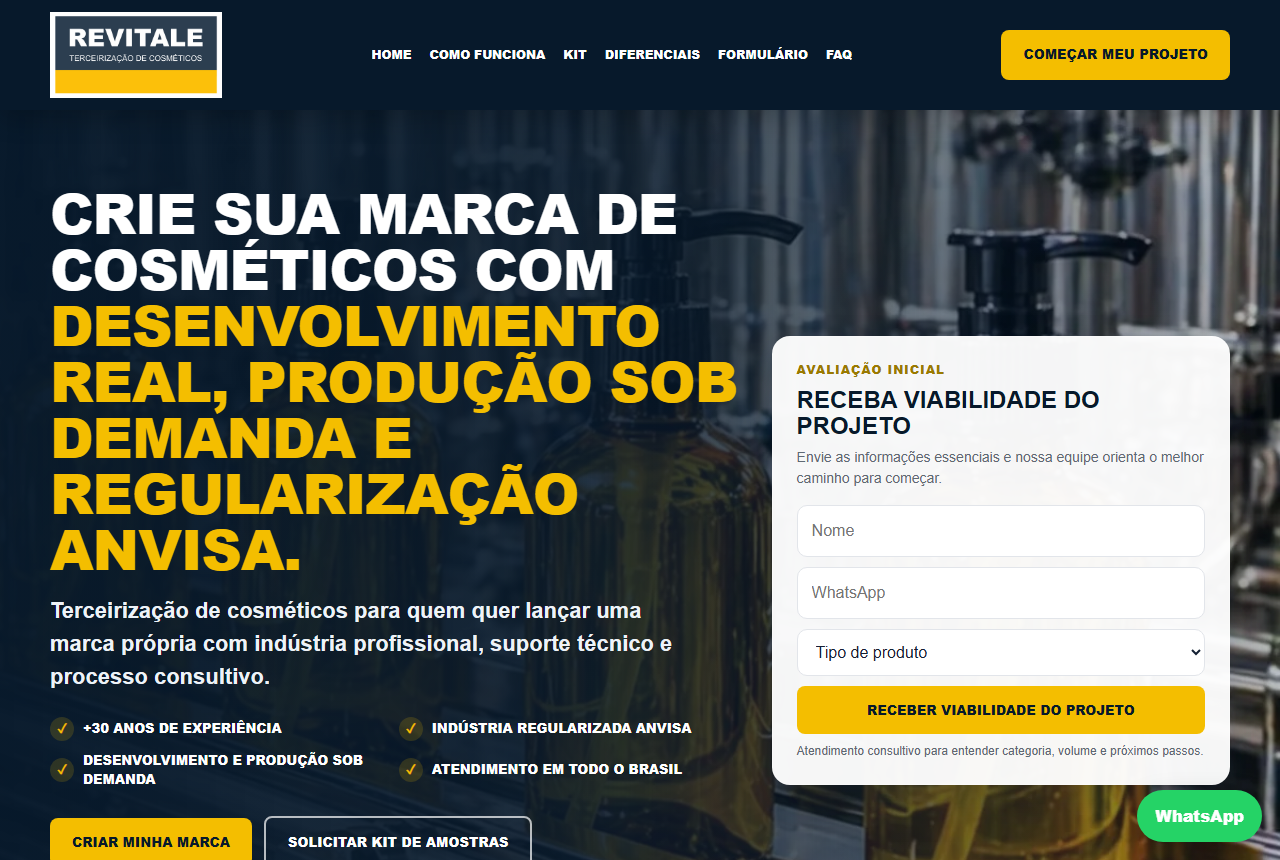
HQ: Guarulhos, Sao Paulo · Type: Terceirizacao and private label · Best known for: Fragrance, body splash and home fragrance, with published minimums
Revitale states 30-plus years in the market and is unusually open about minimums, publishing them by pack format: 300 units for perfumes, body splash, shampoos and conditioners, 500 for pump bottles and jars, 1,500 for tubes. Publishing MOQs at all is rare in this sector. The catalogue leans towards fragrance and scented body products, which fits Brazil’s large domestic perfumery culture — and is one of the categories where a Malaysian brand may find genuinely distinctive scent development.
Universal Chemical
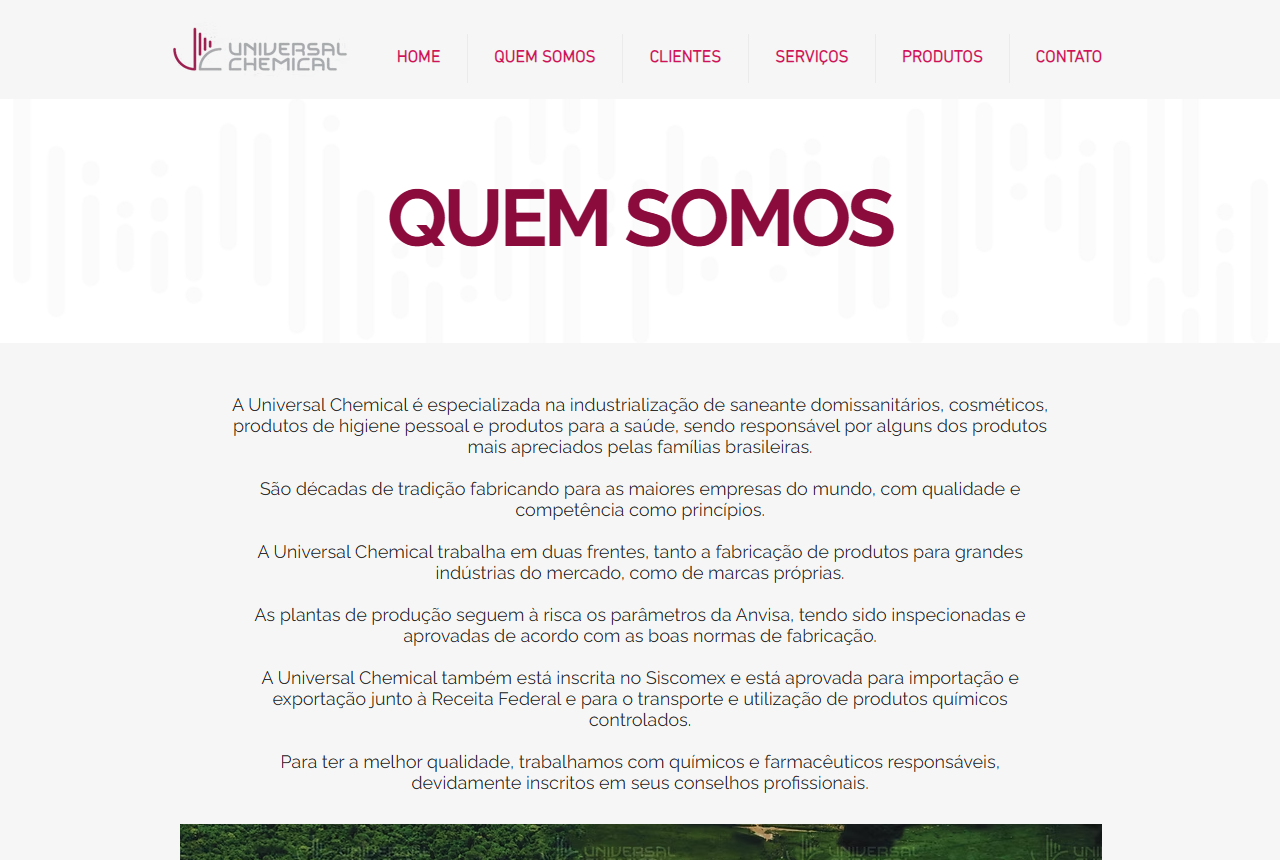
HQ: Sarapui, Sao Paulo · Type: Large-scale industrialisation · Best known for: Retail and wholesale private label at supermarket volume
Universal Chemical is the outlier: a chemical industrialisation business making household sanitisers and health products alongside cosmetics and personal care, working both as a contract producer for large industries and as a private-label supplier to retail. Public Brazilian company records put its incorporation in 1990 and its plant in Sarapui, in the Sorocaba region. This is a volume operation and the wrong door to knock on for a boutique serum, but the right one if you are a Malaysian retailer building an own-label range.
What importing into Malaysia actually requires
This is the part that catches brand owners out, so it is worth being precise. A Brazilian factory’s ANVISA authorisation and its Brazilian product registrations have no legal standing in Malaysia. They are evidence that the factory operates under a recognised regulatory regime, which helps your file, but they are not a shortcut through it.
Cosmetic products sold in Malaysia must be notified with the National Pharmaceutical Regulatory Agency (NPRA) through the Quest3+ system before they go on sale. Notification is not the same as registration or approval: you are declaring the product, its full ingredient list, its manufacturer and its intended claims, and taking legal responsibility for it. The notification holder must be a company incorporated in Malaysia, which means either you or a nominated local importer, never the Brazilian factory.
Practically, that means you need from the factory, in English and before you order: the complete quantitative ingredient list with INCI names, a manufacturer declaration naming the actual production site, GMP evidence for that site, finished-product specification and certificate of analysis, and safety and stability data. Ask for these at quotation stage. A factory that cannot produce them for a domestic Brazilian customer is not going to produce them faster once your deposit has cleared.
Two further points specific to Brazil. First, ingredient lists have to be screened against the ASEAN Cosmetic Directive’s annexes, not Brazil’s. The two regimes overlap heavily but are not identical, and a colourant or preservative that is routine in Sao Paulo can be restricted here. Second, claims translate badly: a smoothing or straightening product marketed one way in Brazil may push into a category that attracts far more scrutiny in Malaysia. Settle the claim wording before the artwork is printed, not after.
Lead time, MOQ and freight: the real trade-offs
Distance is the honest disadvantage. Ocean freight from Santos, Brazil’s main port, to Port Klang typically routes via a transhipment hub and runs in the region of 35 to 55 days door to door once you include inland trucking, consolidation and Malaysian customs clearance. Add formulation, sampling, approvals and production, and a first order from a standing formula realistically lands four to six months after you start. A bespoke development can double that.
Compare that with a Malaysian factory quoting six to ten weeks from approved sample to delivered stock, or a Guangzhou supplier at eight to twelve weeks with a two-week sea leg. That gap is not just inconvenience — it is working capital sitting in a container, and it makes reordering during an unexpected sell-out genuinely painful.
Minimums also stack up differently at distance. A 300-unit MOQ is attractive on paper, but 300 units of a single SKU will not fill a container, and LCL shipping from South America carries a cost per unit that can quietly overtake the price advantage of the goods. If you are serious about Brazil, plan a consolidated order across several SKUs rather than a small trial, and price the landed cost — goods, freight, insurance, duty, sales tax, clearance and inland delivery — before you compare quotes with anyone local.
The halal question
For a large part of the Malaysian market, this decides the conversation. Halal certification is not a legal requirement for cosmetics in Malaysia, but it is a commercial requirement for many retail channels and for a very large share of consumers.
Almost no Brazilian cosmetics factory holds a JAKIM-recognised halal certificate, and even where a factory advertises “halal” support, the certificate is usually issued by a body that is not on JAKIM’s recognised foreign certification list. Recognition is specific: a certificate from an unrecognised body will not let you carry the Malaysian halal logo. If halal positioning is central to your brand, Brazil is a difficult origin, and you would be better served by a Malaysian contract manufacturer that already holds the certification, or by a regional supplier that does.
When sourcing locally makes more sense
Being direct about it: for most Malaysian brands, most of the time, Brazil is the wrong answer. Source locally or regionally when:
- You need halal certification that JAKIM recognises. This is decisive on its own.
- Your product is a standard skincare or personal-care format — a cleanser, a toner, a body lotion, a sheet mask. Nothing about Brazilian manufacturing gives you an edge here, and everything about the freight works against you.
- You are launching and iterating. Fast reformulation cycles need a factory you can visit and call in your own time zone.
- Your volumes are modest. Malaysian factories increasingly quote genuinely low minimum order quantities, which removes the main historical reason for looking abroad.
- Cash flow is tight. A four-to-six-month pipeline with a deposit paid up front is a different financial product from a ten-week local run.
Brazil earns its place on the shortlist in a narrower set of cases: professional hair smoothing and treatment systems, distinctive fragrance and body-splash development, bar soap at industrial scale, and situations where a genuinely Brazilian provenance story is part of the product’s positioning.
How to run the first conversation
Assume the factory has never exported to Malaysia and structure your enquiry accordingly. Lead with the market, not the product: state that the goods will be notified with NPRA in Malaysia and ask directly whether they have supplied ASEAN before and can provide documentation in English. The answer to that question will filter your shortlist faster than anything about price.
Then ask for MOQ by pack format rather than by product, since packaging minimums, not filling minimums, usually set the real floor. Ask who owns the formula if they develop it. Ask for the ANVISA authorisation number of the production site and check that the address on the certificate matches the address on the quotation. Request a paid sample and pay for it — a factory’s handling of a small paid order is the cheapest prediction you will ever buy of how it handles a real one.
Finally, settle payment structure before tooling. Deposits of 30 to 50 per cent are normal, but on a four-month lead time from South America a large up-front payment against an unaudited counterparty is a real exposure. Consider a letter of credit or a staged release tied to sample approval and pre-shipment inspection.
Frequently asked questions
Do I need NPRA notification for cosmetics imported from Brazil?
Yes. Every cosmetic product sold in Malaysia must be notified through NPRA’s Quest3+ system before it goes on sale, regardless of origin. The notification holder must be a Malaysian-incorporated company, so it will be you or your appointed local importer, not the Brazilian factory. The factory’s ANVISA registration in Brazil does not transfer and does not substitute. What the factory must supply is the underlying evidence: full INCI ingredient list with percentages, manufacturer declaration, GMP evidence, product specification, certificate of analysis, and safety and stability data, all in English.
How long does shipping from Brazil to Malaysia take?
Ocean freight from Santos to Port Klang generally runs 35 to 55 days door to door, including inland trucking in Brazil, transhipment and customs clearance in Malaysia. Air freight is far quicker but rarely economic for filled cosmetics because of weight and, for aerosols or alcohol-based fragrances, dangerous-goods restrictions. Build your launch calendar on the assumption that a first order takes four to six months from initial enquiry to delivered stock if you are using an existing formula, and longer for bespoke development.
Can Brazilian cosmetic factories produce halal-certified products for Malaysia?
Very rarely in a way that satisfies JAKIM. Some Brazilian factories advertise halal support, but the certificates are usually issued by bodies that do not appear on JAKIM’s recognised foreign certification list, and without recognition you cannot carry the Malaysian halal logo. If halal is central to your positioning, treat Brazil as unsuitable and source from a Malaysian or regional manufacturer that already holds a recognised certificate. If halal is not required for your channel, the question becomes a straightforward commercial one about category fit and freight.
What is Brazil actually better at than Korea, China or Malaysia?
Professional hair chemistry, above all. Brazilian keratin, protein and nanoplastia smoothing systems became international category names because Brazilian formulators genuinely led on them, backed by decades of work for one of the world’s largest professional haircare markets. Fragrance and body-splash development is a second area of real depth, and industrial bar soap is a third, since few private-label houses anywhere have soap plant. Outside those, Korea generally wins on skincare innovation, China on cost at volume, and Malaysia on speed, proximity and halal.
Company details, minimums and certification claims in this article are as published on each company’s official website and were accurate as at 14 August 2026; they change, and should be verified directly. Screenshots were captured from each company’s public homepage in August 2026. We did not visit or audit any factory, test any product, or verify certificates with their issuing bodies. Regulatory information is general guidance, not legal advice — confirm current NPRA requirements before you commit to an import. Related reading: our list of Canadian cosmetic factories for Malaysian brands and the full cosmetics, skincare and personal care archive.
About the author. Farah Zainal is a contract manufacturing analyst who writes for MalaysiaOEM on sourcing, factory selection and production economics for beauty and personal-care brands.
Also weighing the other big Latin American option? Our guide to cosmetic factories in Mexico for Malaysian brands covers ten verified Mexican laboratories, their unusually low entry minimums, and the same NPRA and JAKIM questions applied to a shorter regulatory regime.
Comparing European options too? Our guide to cosmetic companies in the Netherlands for Malaysian brands covers ten Dutch contract manufacturers, their minimums, and the NPRA import steps that apply either way.