By Wei Ling Tan · Beauty Brand & Private Label Consultant · Published 17 Jul 2026
For a Malaysian beauty founder, China is usually the first name that comes up when the conversation turns to overseas manufacturing — and for good reason. The Guangzhou and Guangdong region is the densest cosmetics manufacturing cluster on earth, which means lower unit costs, huge stock-formula libraries, and a factory for almost any product format you can imagine. But sourcing from China is not the same as sourcing down the road in Selangor or Johor. You take on longer lead times, shipping and duties, and the responsibility of getting every product notified with Malaysia’s NPRA before you can legally sell it here. This guide profiles eight real, export-ready cosmetic factories in China — each verified with a live website screenshot in July 2026 — and frames them for exactly one reader: a Malaysian brand deciding whether to source abroad or stay local.
Key takeaways
- China’s Guangzhou/Guangdong cluster gives Malaysian brands the widest choice of formats, formulas and price points of any single sourcing base — from full-service giants to low-MOQ private-label houses.
- All eight factories here run English-language, export-oriented operations and publish GMPC and/or ISO 22716 credentials, which makes documentation for the Malaysian market easier to obtain.
- Sourcing abroad shifts more compliance work onto you: you (or your appointed local company holder) are responsible for NPRA product notification via the Quest3+ system before selling in Malaysia.
- China wins on cost and choice at volume; local Malaysian manufacturers usually win on lead time, small first runs, Halal certification and face-to-face problem-solving.
- Certifications, MOQs and capacity figures below are as published by each factory — always verify certificates and get a written quote for your exact product before committing.
Why Malaysian brands look to China for cosmetic manufacturing
The pull factors are straightforward. Scale drives price: a factory running dozens of automated lines can quote a per-unit cost that a boutique local lab simply cannot match at volume. Depth of catalogue is the second draw — many Chinese houses hold thousands of ready-to-customise stock formulas, so a Malaysian brand can launch a serum, a cleanser and a sunscreen from one supplier without funding three separate bespoke developments. Packaging sourcing is often bundled in too, because the components are made in the same industrial belt. For a founder testing several product ideas quickly, that one-stop breadth is genuinely useful. The trade-off is that all of this sits an ocean away, under a different regulator, in a different language — so the savings only hold if your due diligence and compliance planning are solid.
How we chose these China factories
This is an editorial shortlist, not a paid placement. We looked for cosmetics manufacturers that are based in mainland China, openly offer OEM/ODM or private-label contract manufacturing, run an English-language website that loads and renders cleanly, and display recognised credentials such as GMPC or ISO 22716. We opened every official site in July 2026, captured the homepage screenshots you see below, and confirmed each link works. The order is not a ranked score — treat every published figure as company-stated until you have verified it yourself. If you are new to vetting overseas suppliers, our companion piece on the mistakes to avoid when choosing an OEM cosmetics manufacturer is worth reading first.
The 8 China cosmetic factories at a glance
| Factory | Best for a Malaysian brand that… | Watch-out |
|---|---|---|
| Ausmetics | wants many categories from one established supplier | Generalist, not a single-format specialist |
| Cindi | is launching colour cosmetics needing export paperwork | Makeup-led, lighter on skincare |
| Guangdong Bawei | wants ingredient-led, R&D-driven skincare | ODM/OBM model, less pure private-label |
| Guangzhou Qiaomei | needs several personal-care formats at volume | Confirm what is made in-house |
| Guangzhou Cosmetics Factory | wants a one-stop supplier across formats | Check MOQ/lead time per category |
| Qianlan | needs straightforward skincare/haircare private label | Less public scale detail |
| Guangzhou Kangwei | wants personal care plus home fragrance | Smaller profile than volume houses |
| Metro Private Label | is placing a small first run | Lower volume ceiling than the giants |
1. Ausmetics
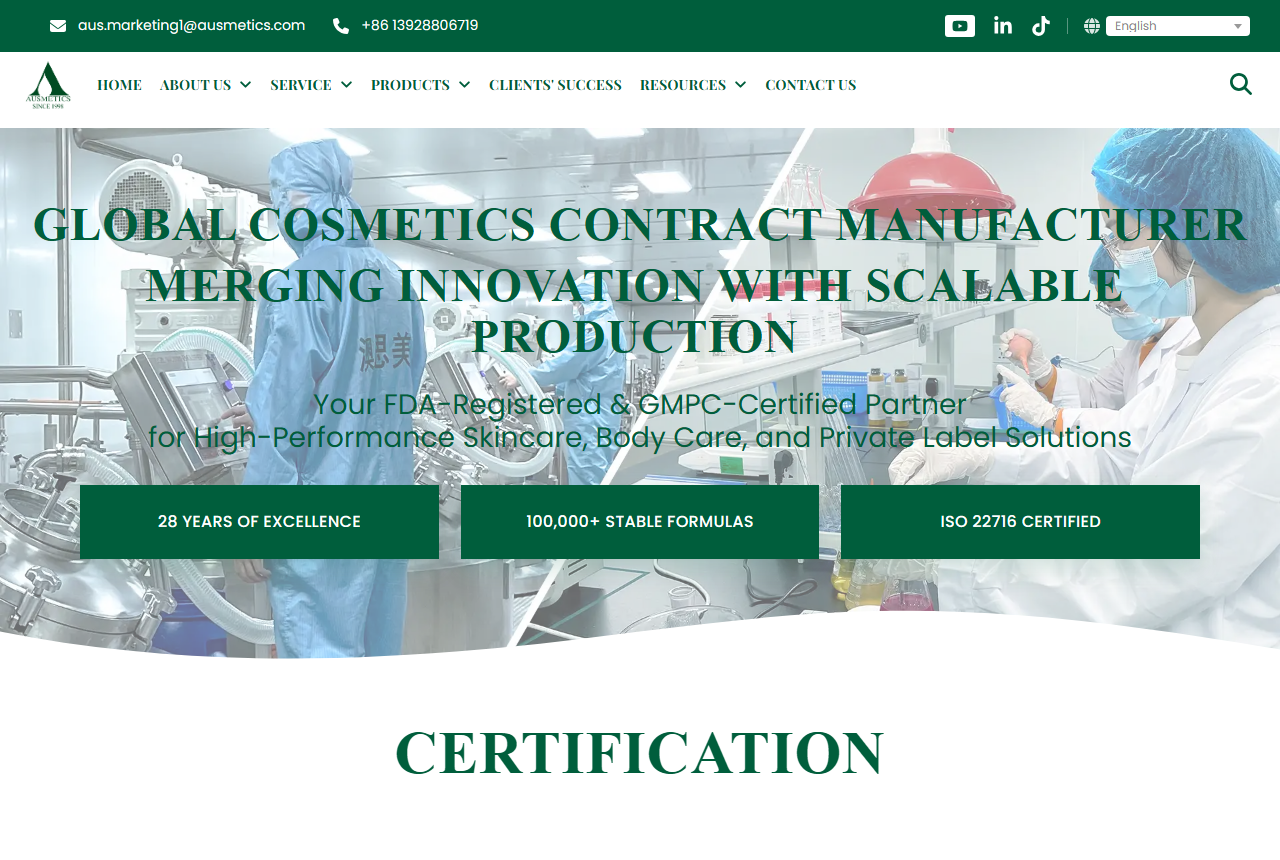
HQ: Guangzhou, China · Type: OEM/ODM contract manufacturer · Best known for: Wide multi-category personal care
For a Malaysian brand that wants to launch several product types at once, Ausmetics is one of the safer starting points on this list. It has been manufacturing since 1998, runs separate production bases for skin care, mom & baby and household lines, and points to GMPC and ISO 22716 processes plus an in-house lab. The flip side of that breadth is that it is a generalist rather than a specialist — if your whole brand hangs on one hero format, a focused factory may formulate it better.
2. Cindi Cosmetics
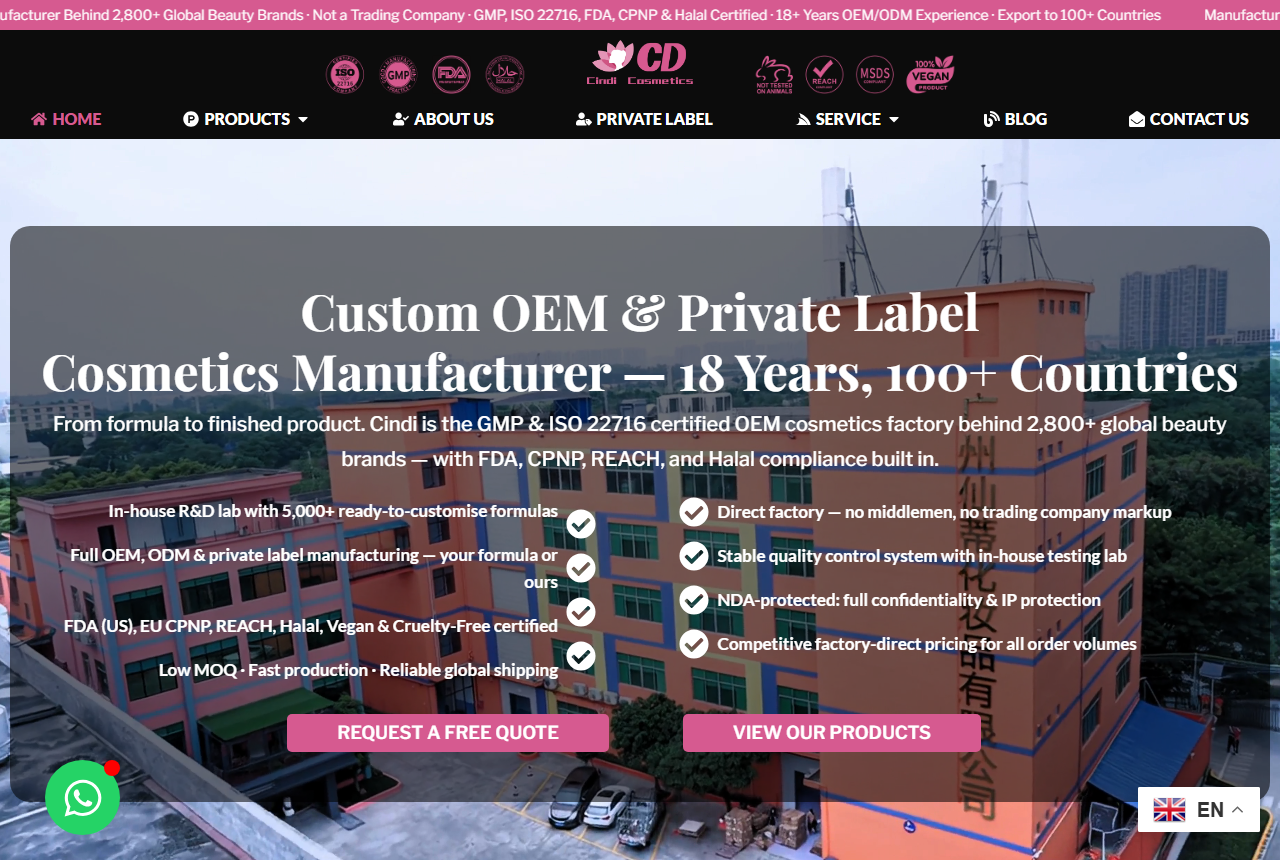
HQ: Baiyun, Guangzhou · Type: Private-label makeup manufacturer · Best known for: Colour cosmetics with export documentation
If your Malaysian brand is built around makeup, Cindi is worth a quote. It specialises in face, lip and eye colour and carries an unusually full compliance stack for a mid-sized factory — GMP, ISO 22716, US FDA registration, EU CPNP, REACH and Halal among them — which makes assembling the paperwork for an NPRA notification less painful. It is makeup-led, though, so a skincare-first brand will get more depth elsewhere on this list.
3. Guangdong Bawei Biotechnology
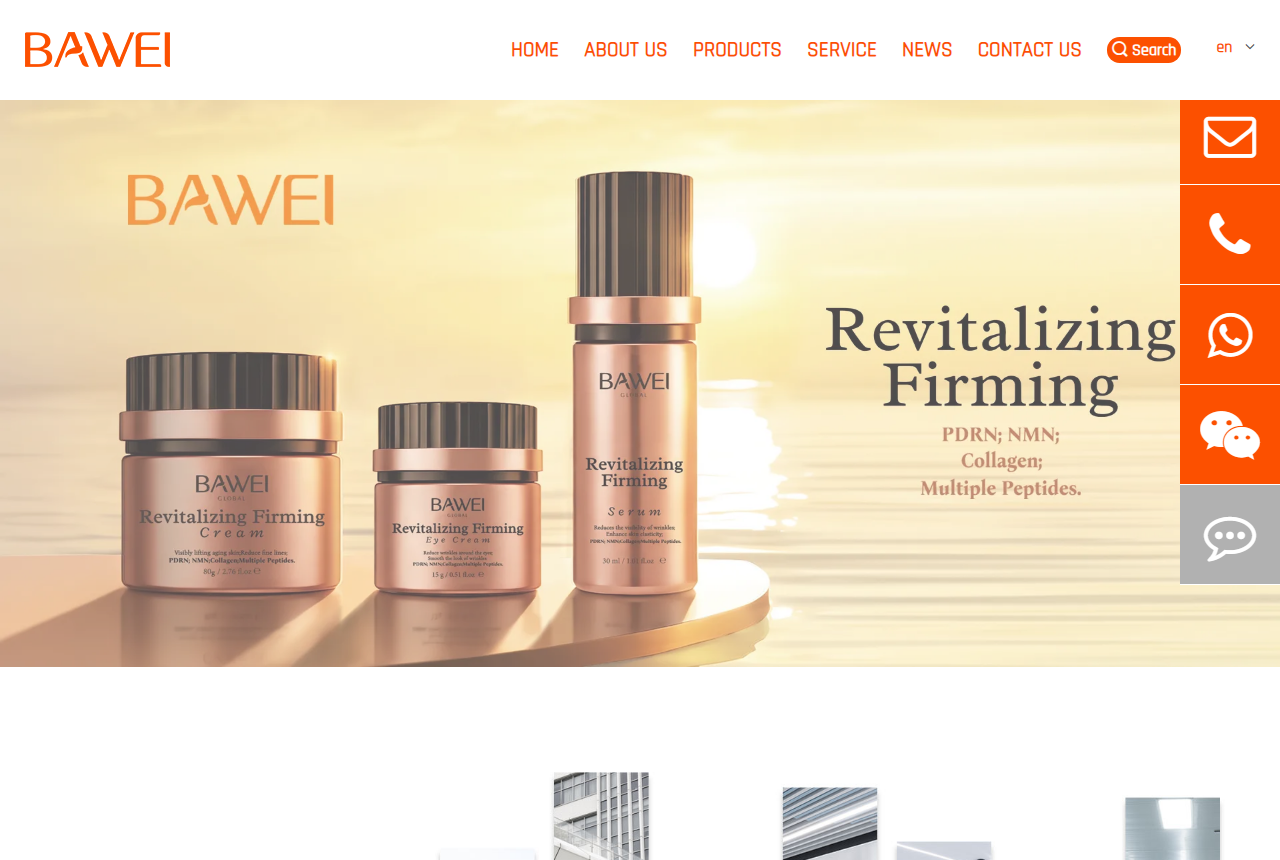
HQ: Guangzhou, China · Type: ODM/OBM skincare manufacturer · Best known for: Ingredient-forward, R&D-driven formulas
Bawei is the pick for a brand that wants to lead with actives. Established in 2006, it markets a large patent portfolio, a deep formula library and relationships with global ingredient suppliers, and builds ranges around trending actives such as peptides, collagen and PDRN. It works as an ODM/OBM partner rather than a plain private-label filler, so it suits founders who want a genuine formulation story to tell Malaysian consumers — not just a stock cream with a new label.
Visit 3. Guangdong Bawei Biotechnology →
4. Guangzhou Qiaomei (QM Cosmetic Factory)
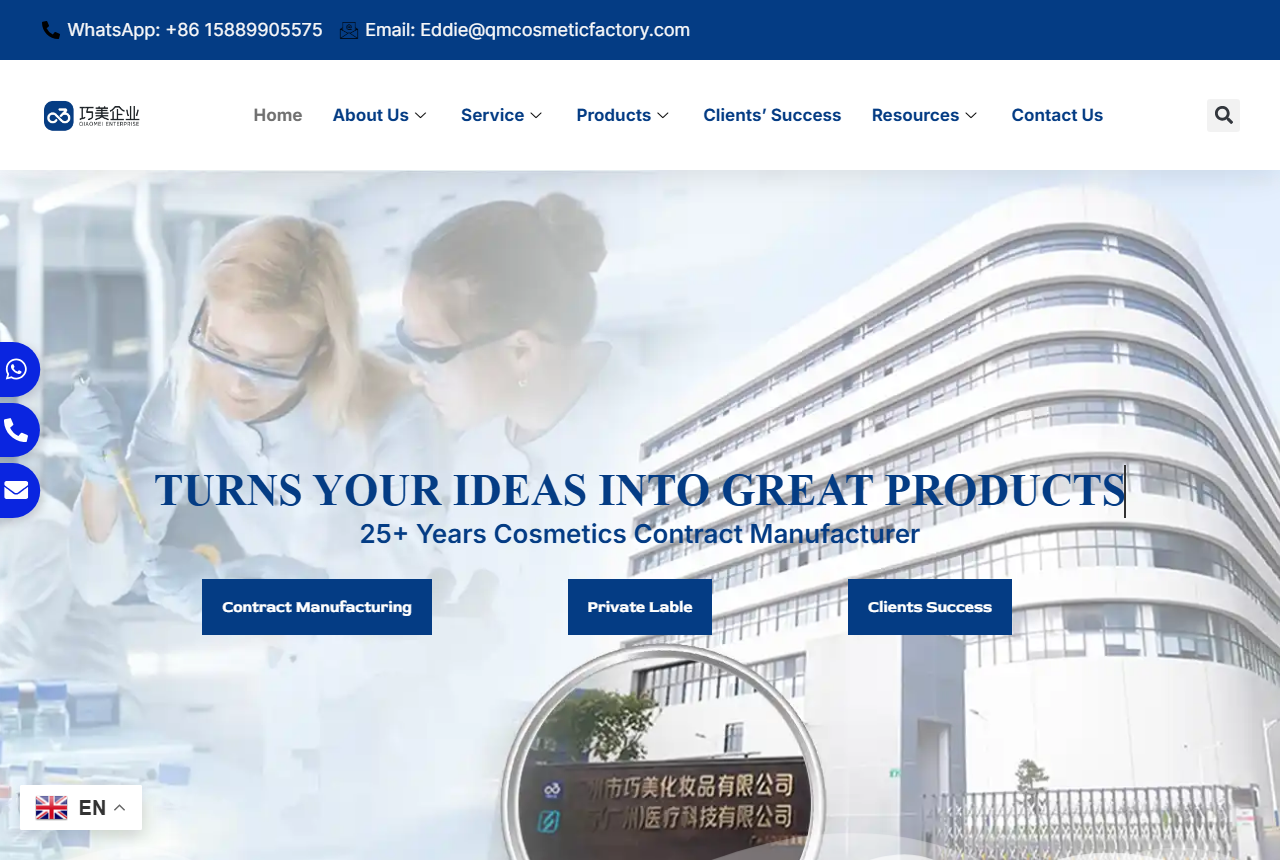
HQ: Guangzhou, China · Type: OEM/ODM contract manufacturer · Best known for: Multi-format personal care at volume
Trading as QM Cosmetic Factory, Qiaomei markets more than two decades of contract manufacturing across hair, face, body, sun and baby lines, with ISO 22716, GMPC, FDA, Sedex and Halal credentials listed. For a Malaysian brand planning a multi-SKU range at meaningful volume, that spread under one roof is convenient. As always with a large generalist, confirm which specific categories are produced on its own lines before you commit a purchase order.
Visit 4. Guangzhou Qiaomei (QM Cosmetic Factory) →
5. Guangzhou Cosmetics Factory
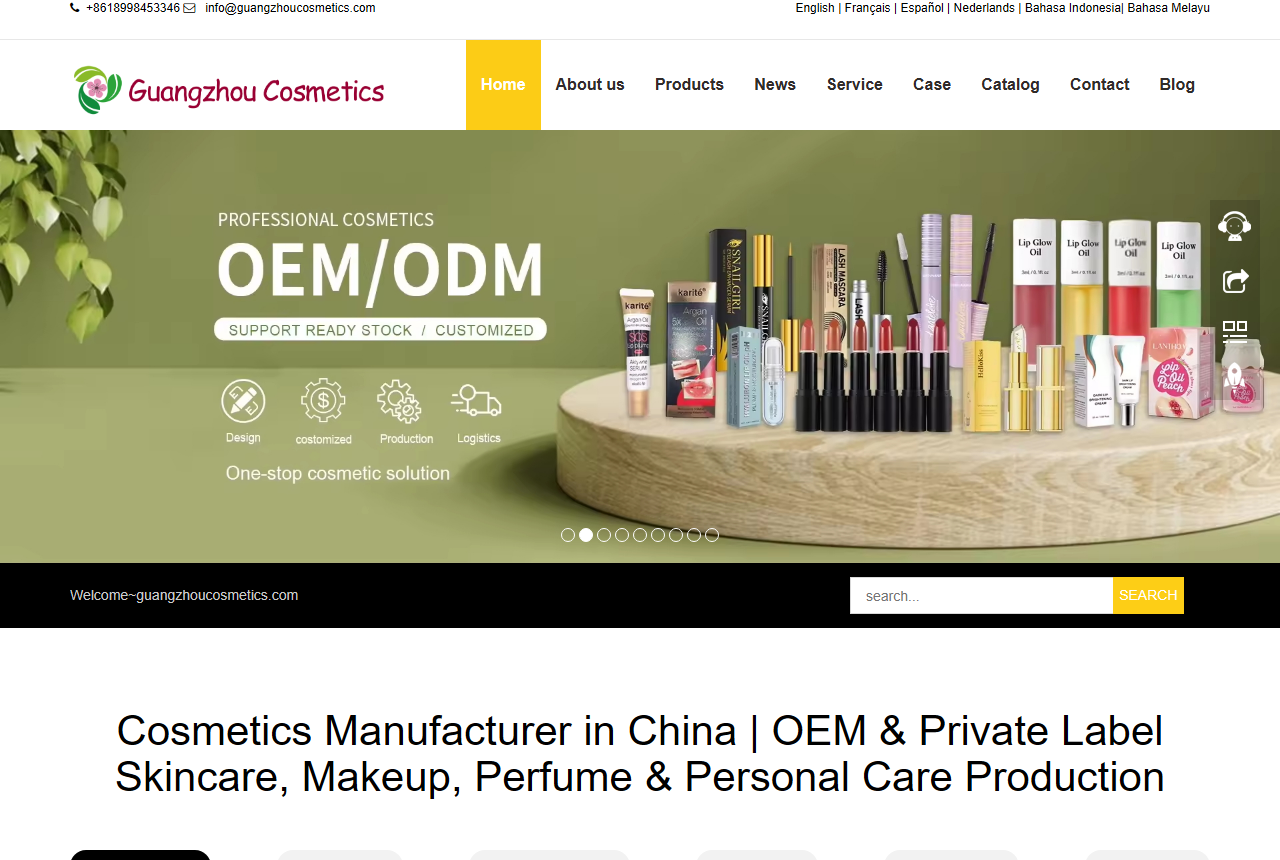
HQ: Baiyun, Guangzhou · Type: OEM/ODM/OBM full-service manufacturer · Best known for: One-stop skincare, makeup, hair and fragrance
This full-service Baiyun manufacturer covers about as wide a catalogue as you will find — skincare, colour cosmetics, hair, body, personal care and fragrance — and publishes GMP, ISO 22716, FDA and SGS-testing references with a 15,000 m² facility figure. Its multilingual site is clearly built for overseas buyers. It suits a Malaysian brand that wants a single point of contact across several formats, provided you pin down MOQs and lead times category by category.
Visit 5. Guangzhou Cosmetics Factory →
6. Qianlan Cosmetics
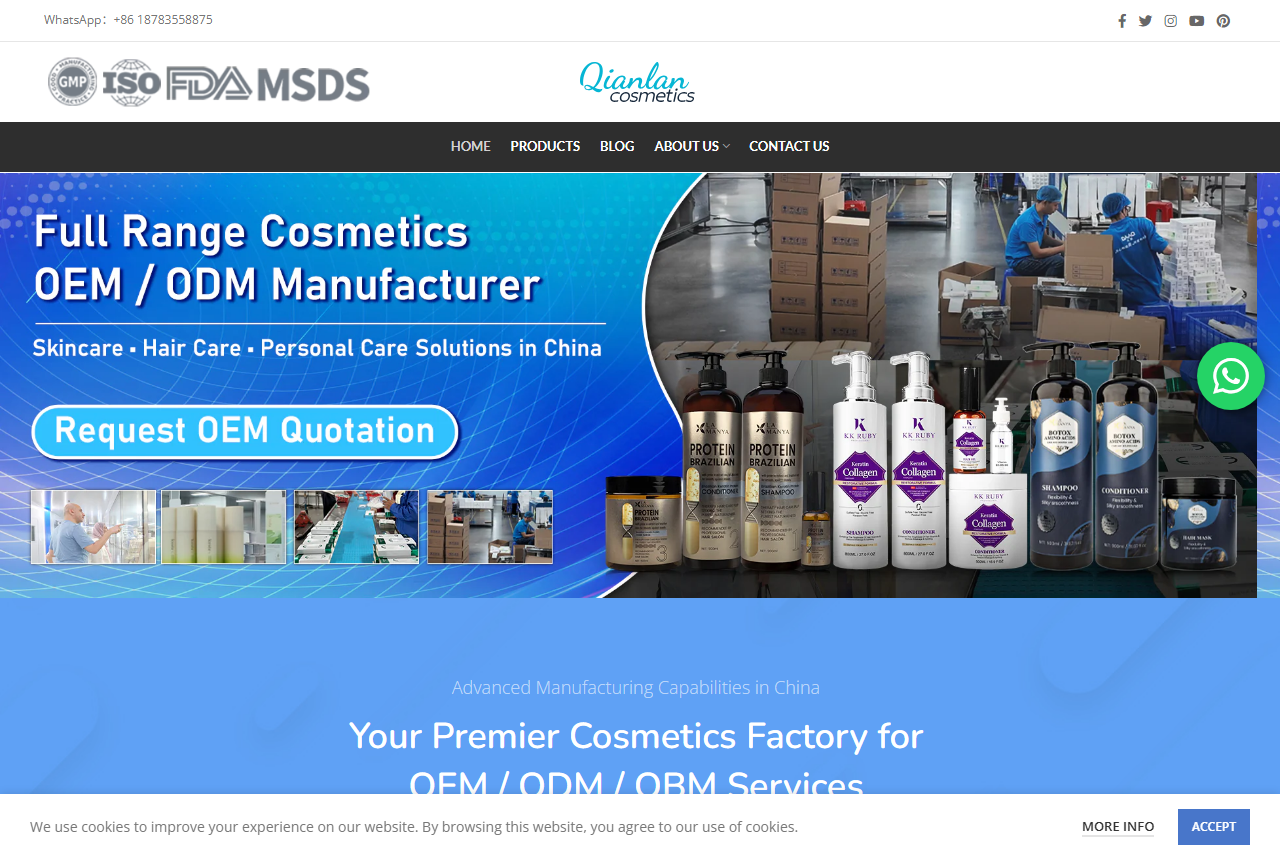
HQ: Guangzhou, China · Type: OEM/ODM full-range manufacturer · Best known for: Straightforward skincare and haircare private label
Qianlan presents as a full-range OEM/ODM house serving skincare, hair-care and personal-care brands, with GMP, ISO, FDA and MSDS references shown up front and a quotation-led, export-focused site. It is a reasonable option for a no-frills private-label run, though it publishes less independently verifiable scale detail than the bigger factories — which simply means you should ask for certificates and audit reports directly rather than taking the homepage badges at face value.
7. Guangzhou Kangwei Cosmetics
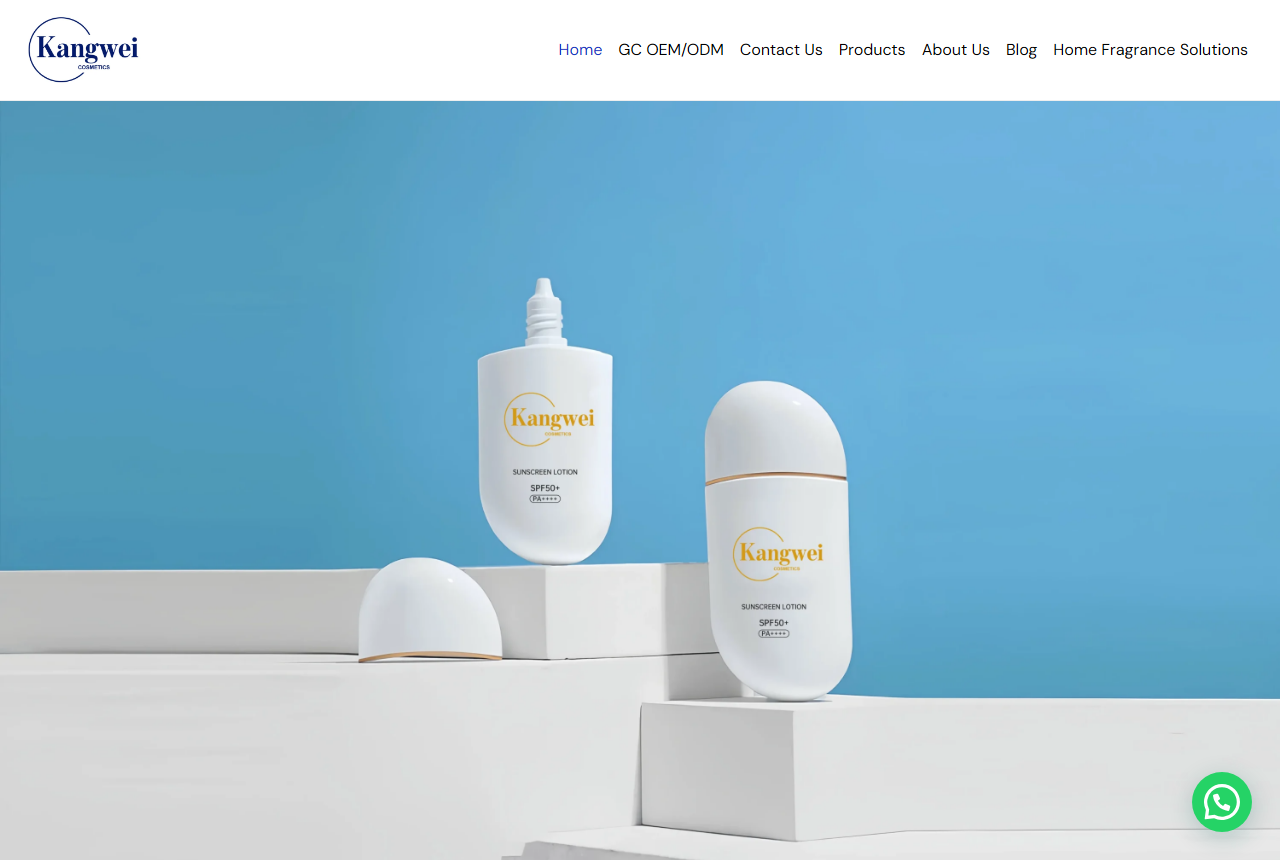
HQ: Baiyun, Guangzhou · Type: OEM/ODM manufacturer · Best known for: Skincare, sun care and home fragrance
Kangwei is a useful option if your Malaysian brand wants to pair personal care with a home-fragrance or diffuser line, which is a less common combination in this cluster. It operates from a 100,000-class GMPC cleanroom, cites around 20 years of experience, and lists ISO 22716, GMPC and FDA references with an active international-trade team. Its profile is smaller than the volume giants, so it may fit a considered, lifestyle-led range better than a mass-market blitz.
Visit 7. Guangzhou Kangwei Cosmetics →
8. Metro Private Label
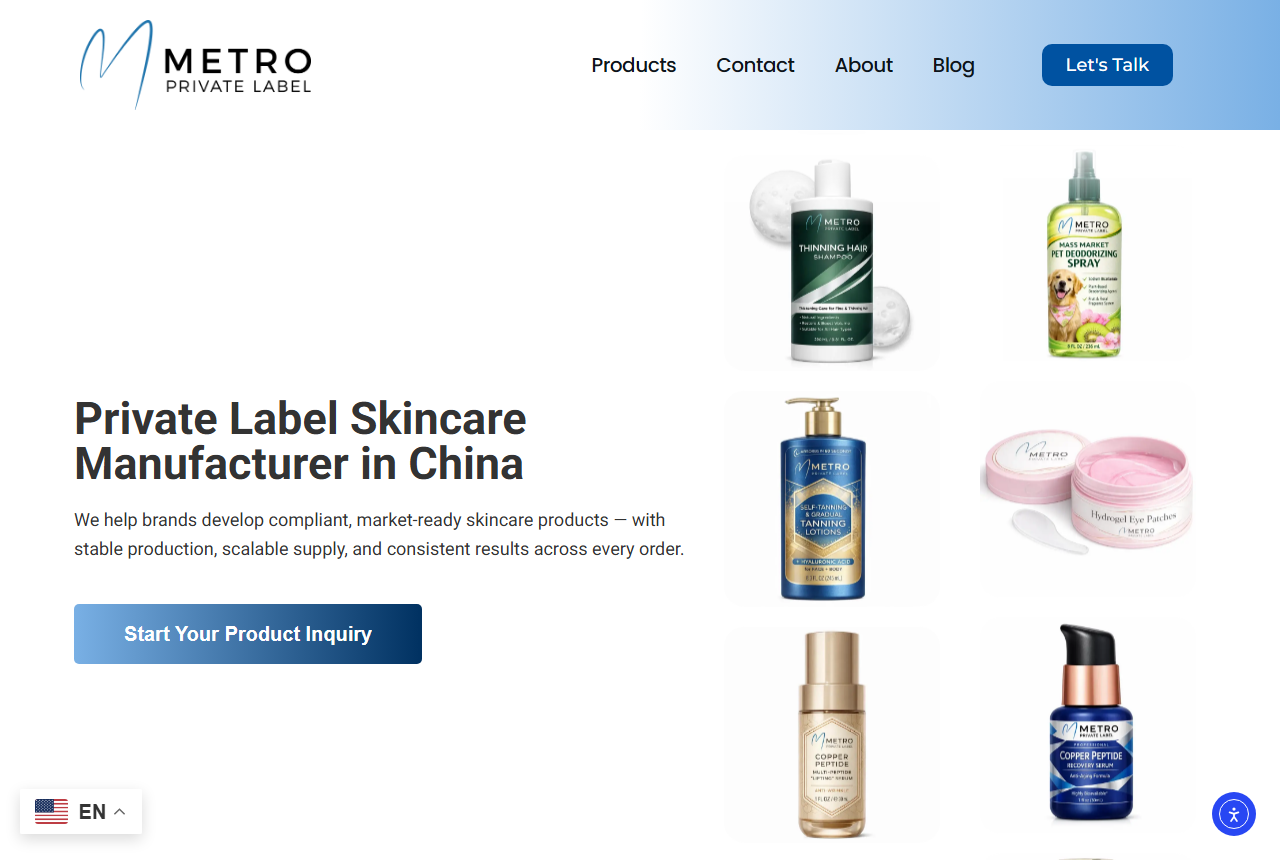
HQ: Huadu, Guangzhou · Type: Private-label / OEM skincare manufacturer · Best known for: Low-MOQ skincare for small first runs
For a Malaysian indie brand placing a cautious first order, Metro Private Label is the most approachable name here. The international arm of Guangzhou Baiyanhui Cosmetics, it targets clinics, boutique brands and startups with GMPC-certified skincare and comparatively low minimums — it cites custom-branding MOQs around 500 pieces. The trade-off is a smaller published capacity ceiling than the volume houses, so it is better for launching and testing than for scaling a national rollout.
Visit 8. Metro Private Label →
Importing China-made cosmetics into Malaysia: the NPRA step you cannot skip
Wherever a cosmetic is made, it cannot be sold legally in Malaysia until it is notified with the National Pharmaceutical Regulatory Agency (NPRA) through the Quest3+ system. When you manufacture in China, that responsibility sits with you or your appointed Malaysian company holder — not the factory. In practice that means collecting the product information the notification requires (full ingredient list with INCI names, the manufacturer’s details, a product safety assessment and supporting documents), holding a Product Information File, and ensuring your labelling meets Malaysian requirements. A factory that already exports and holds ISO 22716 / GMPC documentation makes this far smoother, because the technical paperwork you need is usually already prepared. If notification is new to you, start with our simple guide to cosmetic product notification in Malaysia (NPRA), and always confirm the current requirements directly with the authority before you import.
MOQ, lead time and shipping: China versus sourcing locally
The headline unit price from a large Chinese factory will often beat a Malaysian quote, but the landed cost tells the fuller story. Add sea or air freight, import duties and SST where applicable, and the time and cost of notification, and the gap narrows — sometimes a lot, especially at small volumes. Lead time is the other reality check: production plus shipping from Guangzhou to Port Klang typically runs into several weeks, and any reformulation or quality issue means that clock resets across a long-distance relationship. MOQs vary widely: indie-friendly houses such as Metro Private Label cite minimums around 500 pieces, while volume factories often prefer several thousand units per SKU. As a rule of thumb, China rewards larger, planned, multi-SKU orders; it punishes tiny, urgent or frequently changing ones.
When local Malaysian manufacturing makes more sense
Sourcing from China is not automatically the right call. If you are launching a single hero product in a small first run, need a fast turnaround, or want to iterate on the formula a few times before scaling, a Malaysian OEM will usually serve you better — shorter lead times, easier factory visits, and quicker back-and-forth in the same time zone and language. Halal is the other decisive factor: if JAKIM Halal certification is central to your positioning, a local manufacturer already inside that ecosystem removes a lot of friction. Many successful Malaysian brands do both — they prototype and launch locally, then move high-volume lines offshore once demand is proven. You can browse local options in our Cosmetics, Skincare & Personal Care guides, and if you are also weighing another English-speaking sourcing base, compare this list with our guide to cosmetic suppliers in Australia for Malaysian brands.
Frequently asked questions
Do I need NPRA approval if my cosmetics are manufactured in China?
Yes. Any cosmetic product sold in Malaysia must be notified with the NPRA through Quest3+ before it goes on the market, regardless of where it is made. When you import from China, you or your appointed local company holder are responsible for that notification, for holding the Product Information File, and for compliant labelling. Choosing a factory that already holds ISO 22716 / GMPC documentation makes gathering the required technical information much easier. Always confirm the latest requirements with the NPRA directly.
What MOQ should a Malaysian brand expect from a Chinese cosmetics factory?
It depends on the factory and whether you use a stock or bespoke formula. Indie-friendly houses such as Metro Private Label cite custom-branding minimums around 500 pieces, while larger volume factories often prefer several thousand units per SKU. Ready-to-customise stock formulas almost always allow lower MOQs than fully custom development. Treat any single published figure as a starting point and request a written quote for your exact product and packaging.
Is it cheaper to manufacture cosmetics in China than in Malaysia?
On unit price at volume, usually yes — but compare landed cost, not the factory quote. Once you add freight, duties, SST where applicable, and the time and cost of NPRA notification, the saving shrinks, particularly for small orders. For large, planned, multi-SKU runs China often remains cheaper; for small or fast-moving launches, a local Malaysian OEM can work out better overall.
How do I make sure a Chinese supplier is a real factory and not a middleman?
Ask for the business licence and GMPC / ISO 22716 certificates, confirm whether the company owns its production lines or resells another factory’s output, and request third-party audit reports from bodies such as SGS, Intertek or Bureau Veritas. Where you can, arrange a live video or in-person factory tour and order a paid sample to test before committing. Several suppliers on this list state they are direct manufacturers rather than traders — verify that claim rather than assuming it.
This article is for general guidance only and does not constitute regulatory or legal advice. Certifications, MOQs, capacities and other figures are as published by the respective companies and were not independently audited; requirements change over time. Always verify current rules with the NPRA and confirm details directly with any manufacturer before entering an agreement.
About the author
Wei Ling Tan is a beauty brand and private label consultant who helps Malaysian founders scope, source and launch cosmetic ranges with local and overseas manufacturers.
If low minimum order quantities matter more to you than unit price, compare this with our guide to Canadian cosmetic factories for Malaysian brands, where several manufacturers publish no MOQ at all.