By Daniel Yeoh · OEM Sourcing & Supply Chain Writer · Published 14 Jul 2026
Most Malaysian beauty founders default to sourcing locally or from South Korea and China, and rarely look south to Australia. That is a gap worth closing: Australia has a small but genuinely capable OEM/ODM cosmetics manufacturing base, with ISO 22716 GMP-certified factories, English-language contracting, and a regulatory system that Australian export-focused brands already navigate daily. For a Malaysian brand weighing where to manufacture — or looking to bring in a finished Australian-made line for the local market — it is worth understanding what is actually on offer before ruling it out on distance alone.
This guide walks through ten real Australian cosmetic manufacturers, then covers the practical side Malaysian founders actually need: how Australian-made cosmetics get into Malaysia legally, how lead time and minimum order quantities compare with sourcing at home, and when it still makes more sense to manufacture with a Malaysian factory instead.
Key takeaways
- Australia has ISO 22716 GMP-certified cosmetic manufacturers spanning certified-organic skincare, low-MOQ private label, and multi-category contract production.
- Any cosmetic manufactured overseas — including Australia — still needs NPRA (Quest3+) notification before it can be legally sold in Malaysia.
- Low-MOQ Australian manufacturers such as Cellular Cosmetics (from 10 units) narrow the gap with Malaysian factories on order size, though shipping and lead time still favour local sourcing for fast-moving, low-margin lines.
- Australian sourcing suits brands chasing a “clean,” Western-formulated positioning or exporting into markets that value an Australian-made or Australian-formulated story.
- For most first-time founders, a hybrid approach — local Malaysian manufacturing for core, high-volume SKUs and an Australian or other overseas partner for a differentiated hero product — is more practical than picking one country exclusively.
Why look at Australia at all
Malaysian brands typically choose a manufacturing country based on cost, speed and existing supplier relationships, and on all three, Malaysia and its regional neighbours usually win. Australia is not competing on price. Its value is in a different lane: a mature, English-language regulatory environment, manufacturers used to servicing demanding retail channels like Sephora and Mecca, and a “clean beauty” and organic-certification culture that some brands want reflected in their supply chain story, not just their marketing copy.
That makes Australia a realistic option for brands with an export ambition beyond Southeast Asia, or for founders who want a genuinely differentiated hero SKU — a certified-organic serum or a TGA-adjacent SPF product, for example — manufactured somewhere with a strong reputation for exactly that category, even if the rest of the range stays local.
1. Cawarra Cosmetics
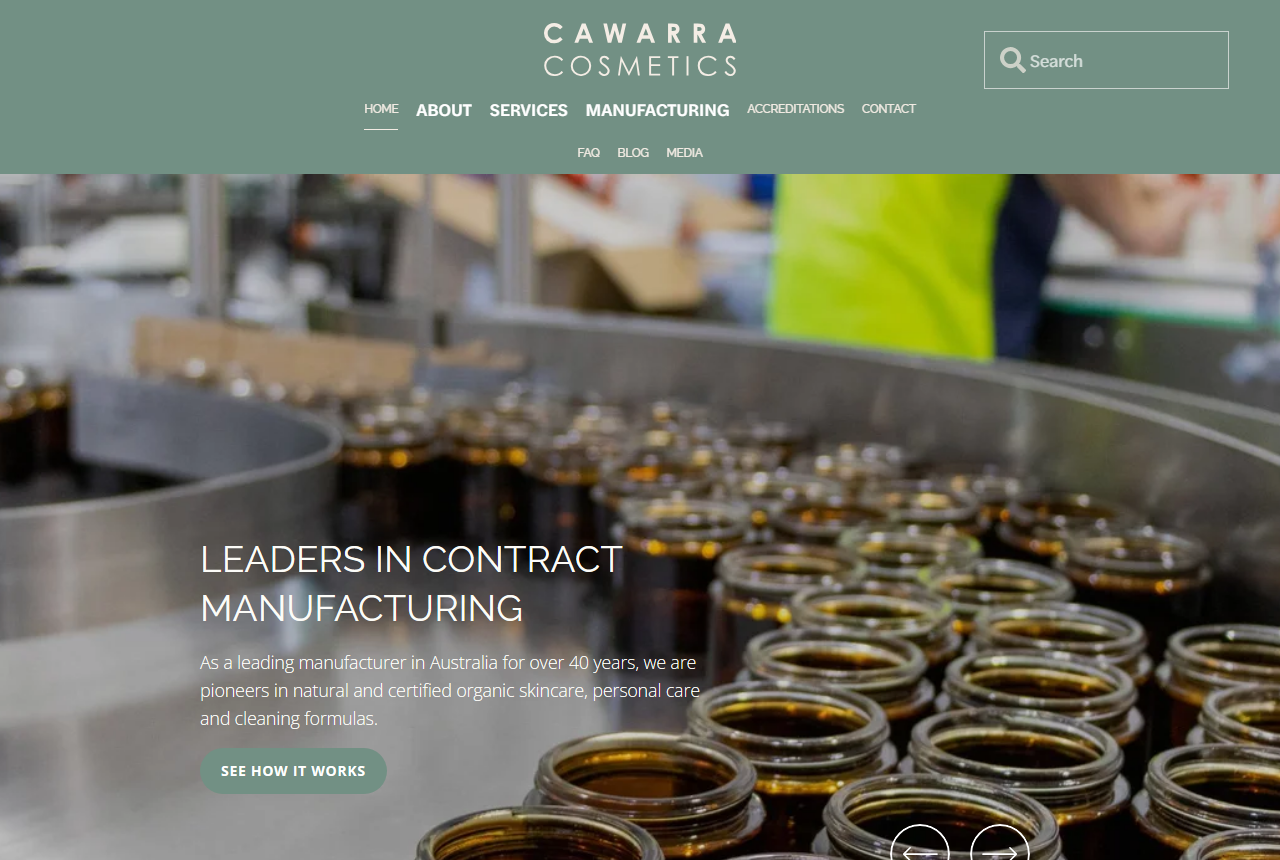
Based in: Billinudgel, NSW · Website: www.cawarra.com.au
Over 40 years old and certified organic since 2012, Cawarra is the manufacturer to consider if a brand’s whole positioning rests on organic certification rather than just a “natural” label. That certification depth is genuinely hard to replicate quickly through a Malaysian factory, which is the practical reason to look this far for a single hero line.
2. New Laboratories
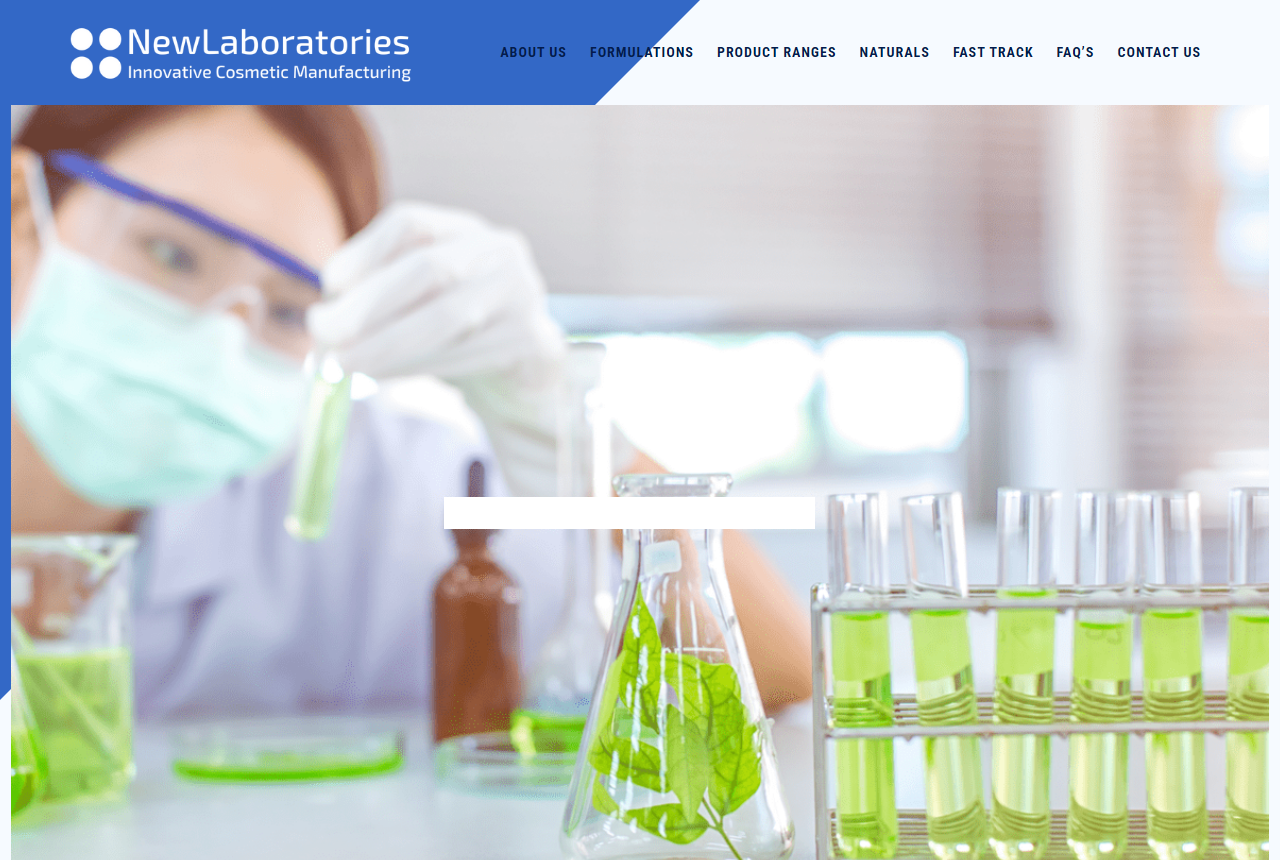
Based in: Melbourne, VIC · Website: newlabs.com.au
New Laboratories has manufactured for brands sold in Sephora, Mecca and Priceline, which signals it can hit the finish and consistency bar that premium retail demands. That is a useful benchmark for a Malaysian brand planning to pitch a line into similarly premium retail channels regionally.
3. CosmeticLabs
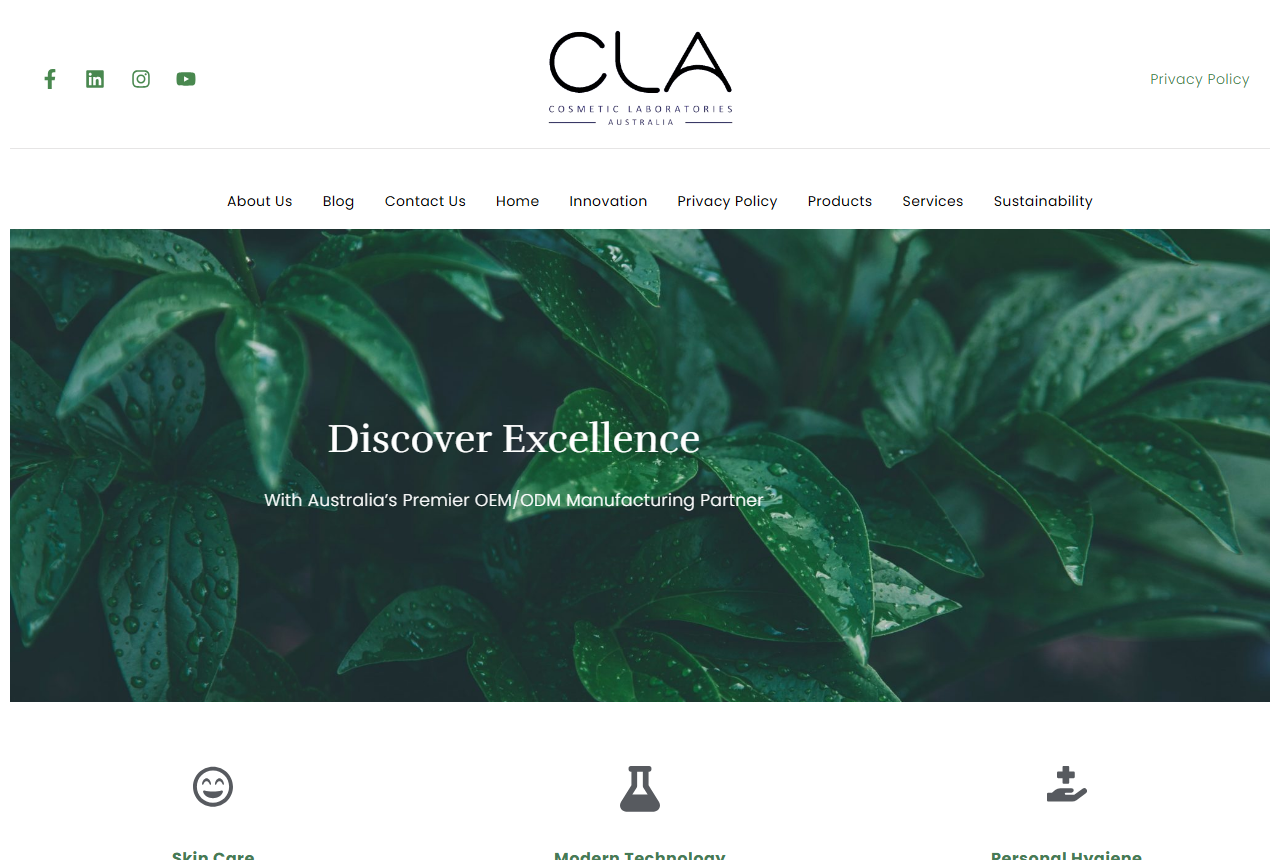
Based in: Melbourne, VIC · Website: www.cosmeticlabs.com.au
CosmeticLabs runs a genuinely one-stop model — R&D, compliance support, packaging sourcing and logistics under one roof — which reduces the number of vendors a Malaysian brand has to coordinate across time zones, a real friction point when manufacturing overseas.
4. My Skincare Manufacturer
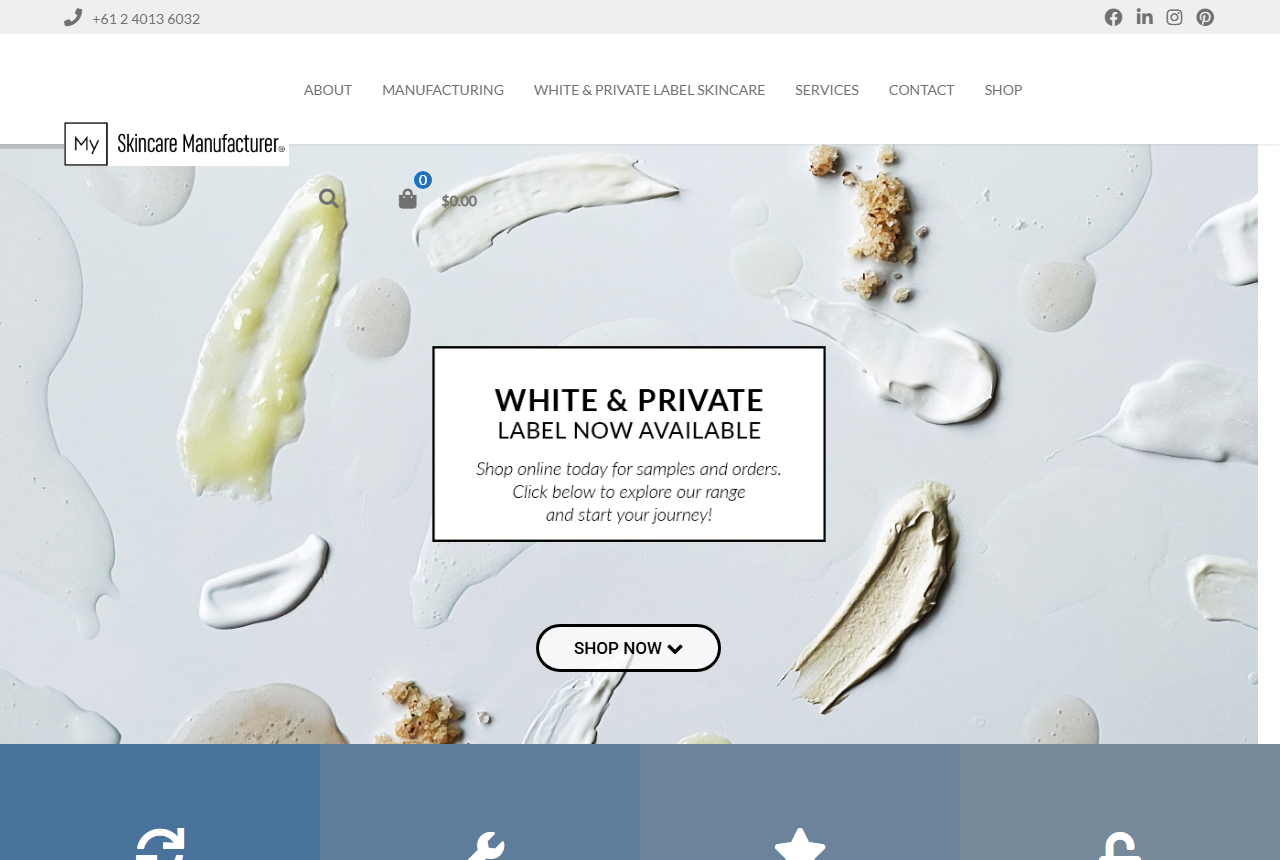
Based in: Beresfield, NSW · Website: myskincaremanufacturer.com.au
Its shop-style sample ordering path is a low-friction way for a founder to test formulation quality before committing to a freight-heavy overseas order — worth doing before any Malaysia-bound shipment is booked.
5. H&H Australia
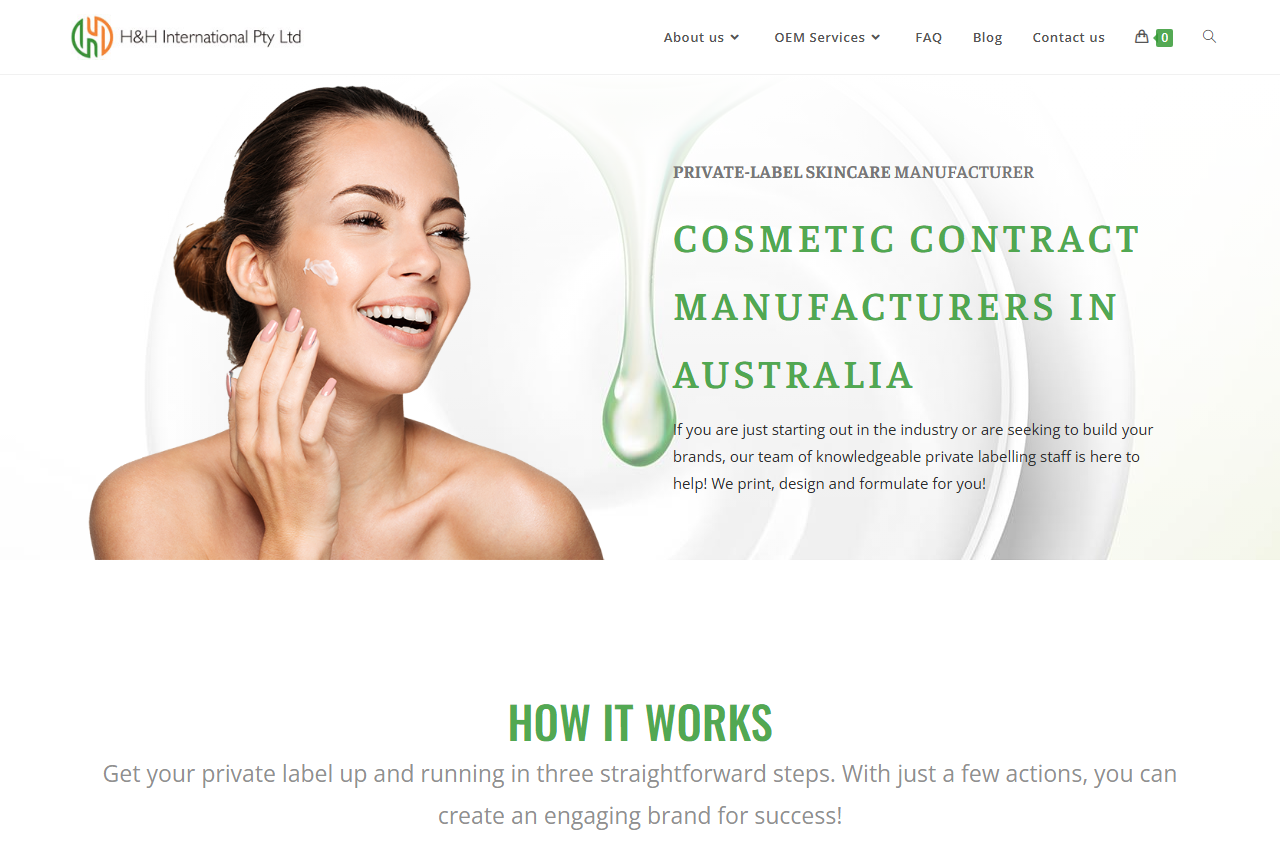
Based in: Auburn, NSW · Website: www.hhaustralia.com.au
Running since 2003 with a straightforward three-step private-label process, H&H is aimed at first-time brand owners — the same audience a lot of Malaysian founders sit in — making its onboarding process comparatively easy to follow from overseas.
6. Bio-Cosmetics Lab
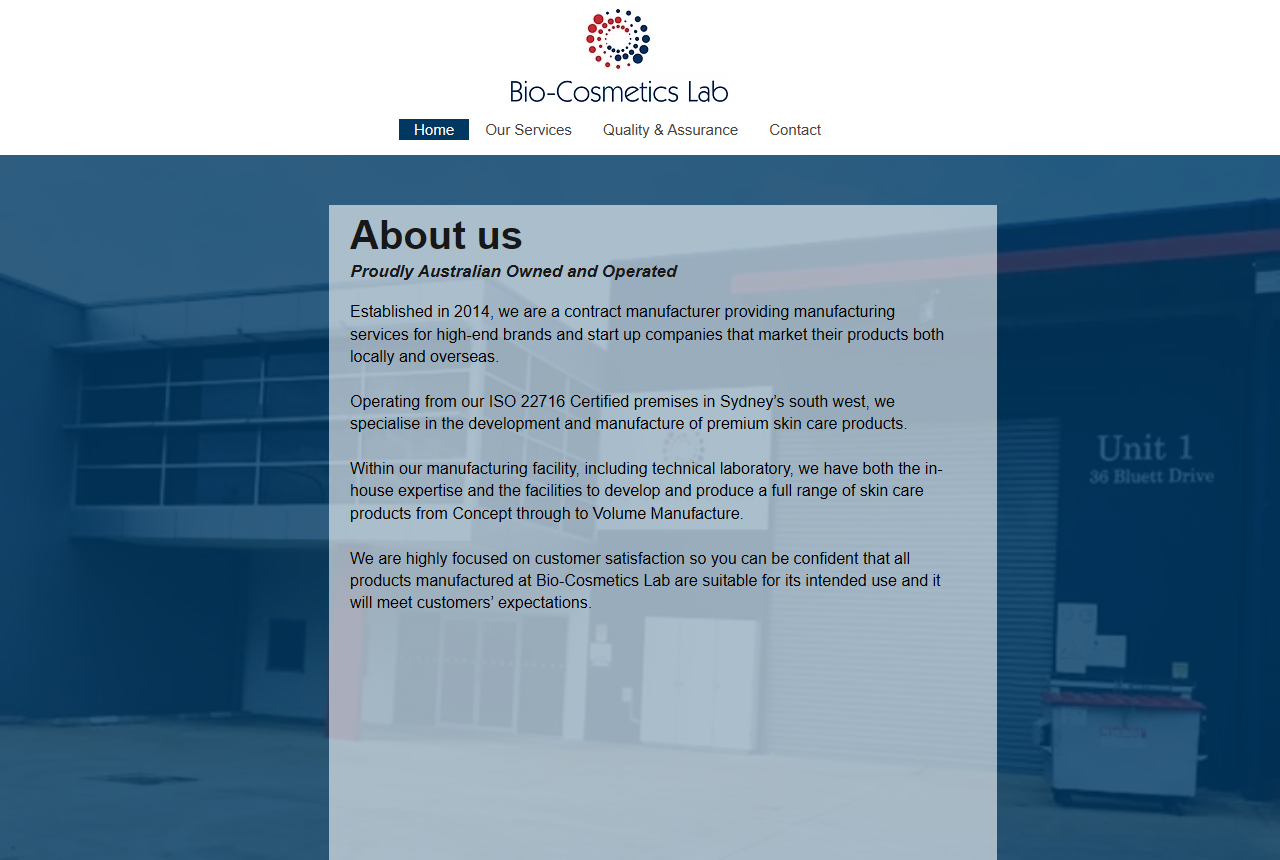
Based in: Smeaton Grange, NSW · Website: bio-cosmeticslab.com
Bio-Cosmetics Lab bundles warehousing and dispatch alongside manufacturing, which matters more than usual when the finished goods still need to clear Malaysian customs and NPRA checks before they reach a warehouse here.
7. Cellular Cosmetics
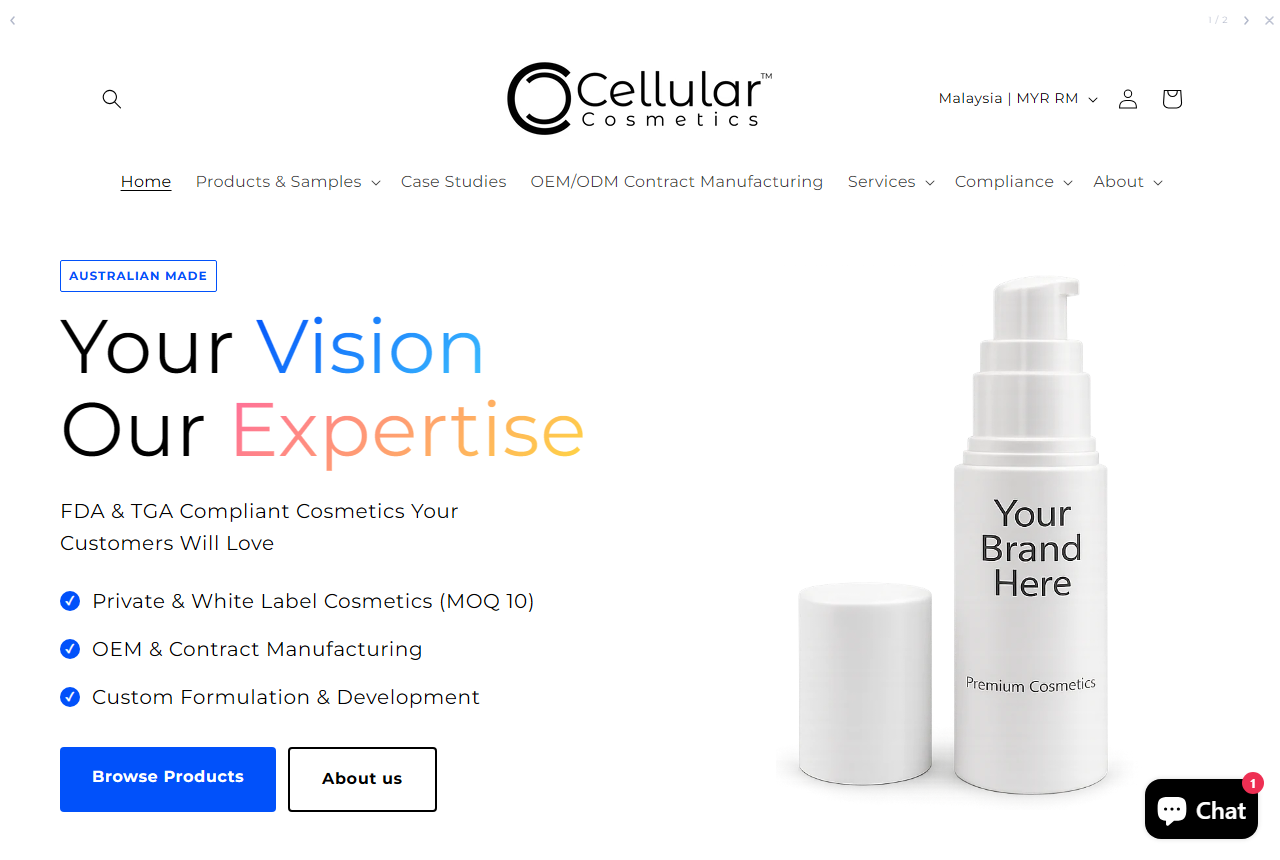
Based in: Australia · Website: cellular-cosmetics.com
With MOQs from just 10 units, Cellular Cosmetics is the closest thing on this list to a Malaysian-style low-MOQ private-label deal, letting a founder test the Australia-sourcing idea without a large upfront commitment.
8. Australian Private Label
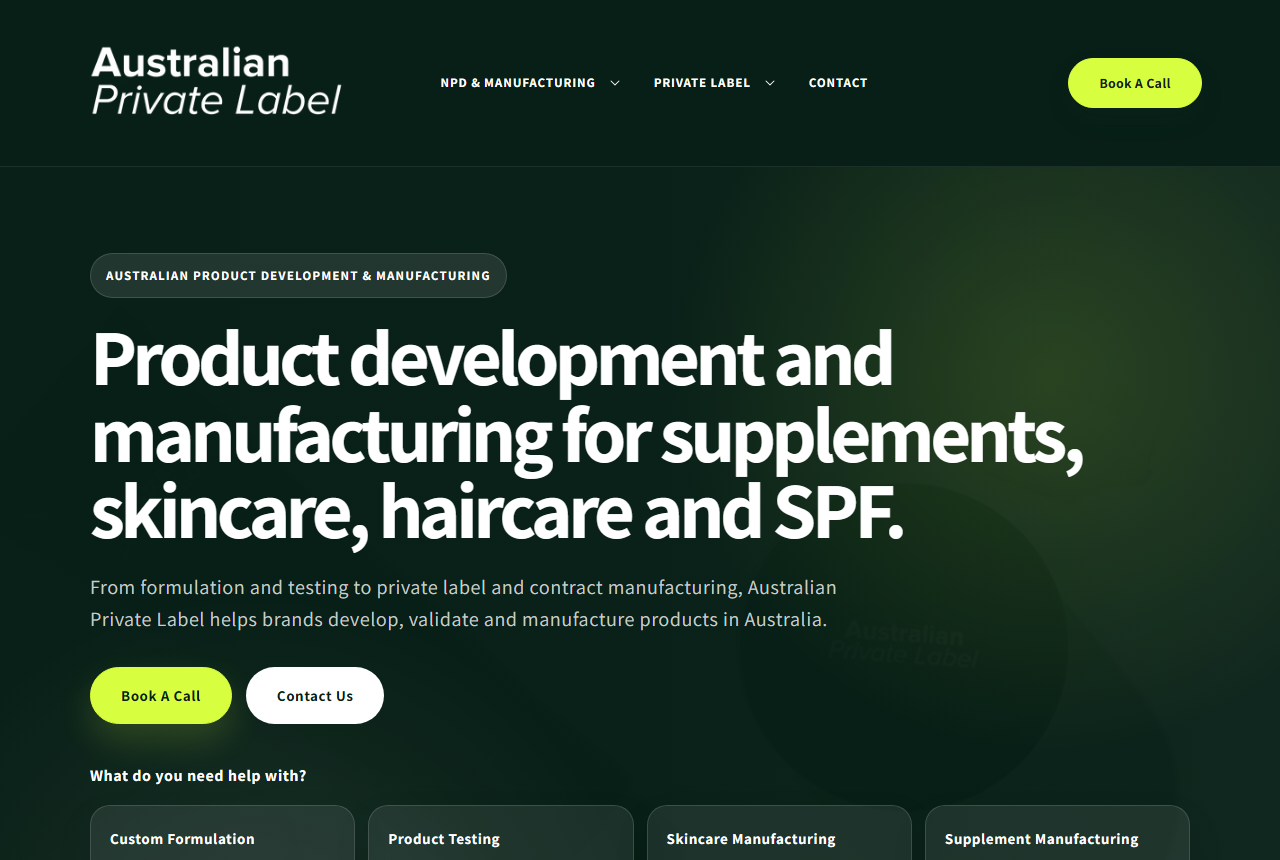
Based in: Australia · Website: australianprivatelabel.com.au
Its span across skincare, haircare, SPF and supplements suits a brand planning a multi-category range rather than a single product, consolidating several sourcing conversations into one supplier relationship.
9. Private Label Dynamics
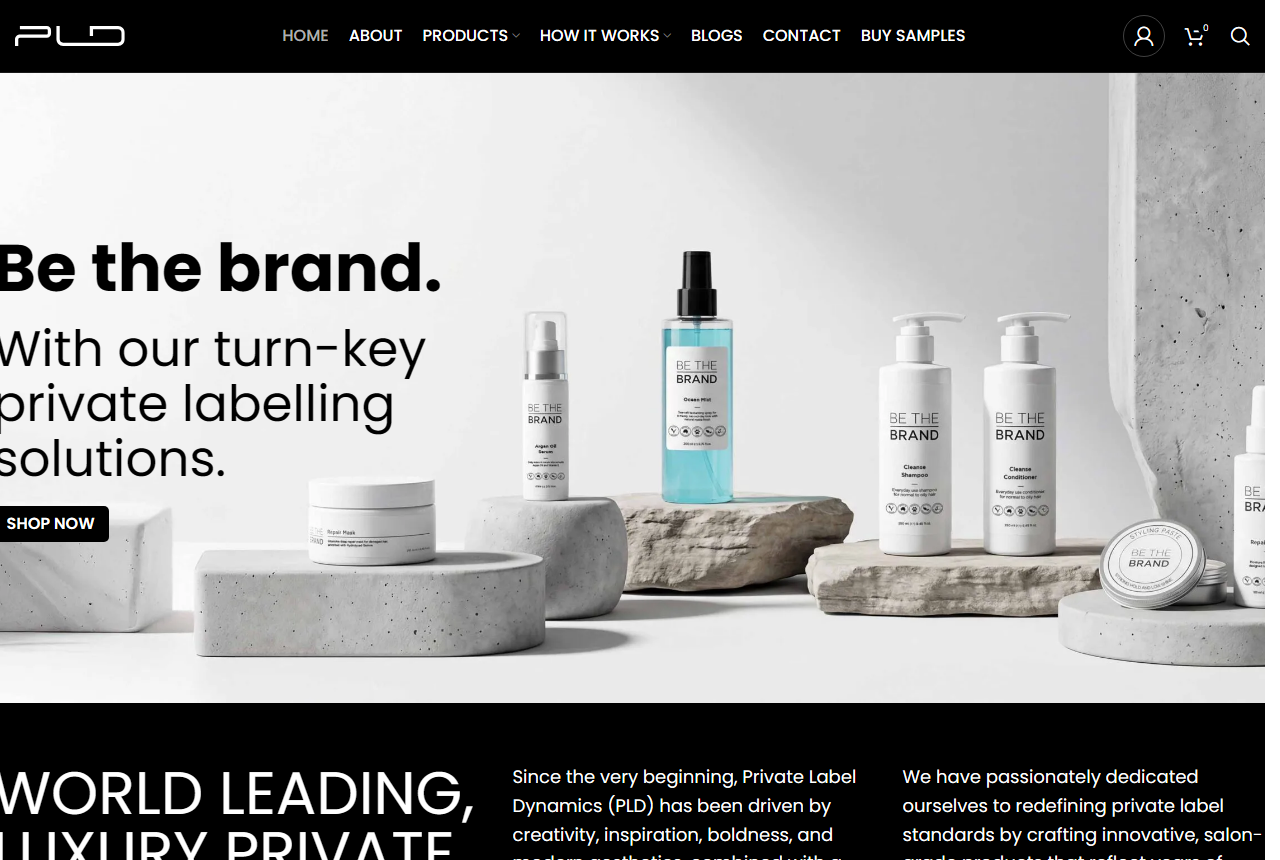
Based in: Queensland · Website: privatelabeldynamics.com
PLD sells its own salon-grade range alongside white-label manufacturing, so a prospective client can order and test the finished quality directly before committing to a custom private-label run — a useful shortcut when you cannot visit the factory in person.
10. AMK Formulations
Based in: Australia · Website: amkformulations.com
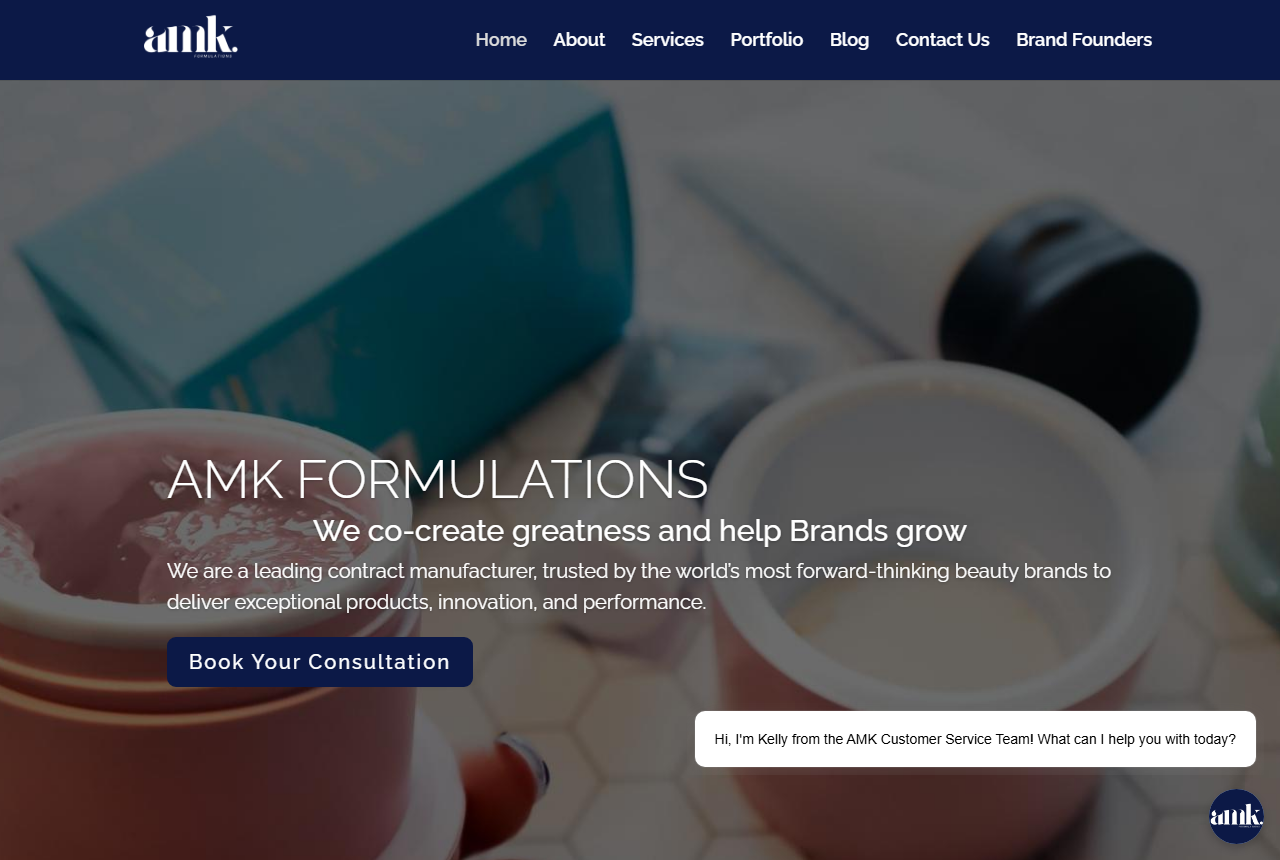
AMK positions itself as a co-creation partner and publishes named brand-founder case studies, giving overseas clients unusually concrete evidence of past work when vetting a first-time manufacturing relationship from a distance.
Getting Australian-made cosmetics into Malaysia legally
Manufacturing (or buying finished stock) in Australia does not exempt a product from Malaysian rules. Every cosmetic sold in Malaysia — regardless of where it was made — must be notified with the National Pharmaceutical Regulatory Agency (NPRA) through the Quest3+ online system before it can legally reach shelves or a Malaysian e-commerce listing, exactly as our simple guide to NPRA cosmetic product notification lays out for locally-made products. The notification sits with whichever Malaysian entity is importing and distributing the product, so brands sourcing from Australia still need a local responsible person to hold that notification, keep the product information file, and manage any post-market compliance queries.
Practically, this means the compliance workload does not shrink by manufacturing overseas; it shifts. Instead of a Malaysian factory’s regulatory team handling NPRA submission as part of the manufacturing relationship, the importing brand (or its Malaysian distributor) has to run that process itself, working from documentation the Australian manufacturer provides. Confirm early which certificates of free sale, ingredient listings and safety assessments the Australian partner can supply, since Quest3+ submissions stall quickly without them.
Lead time, MOQ and shipping: the real trade-off
The honest comparison against local sourcing is not cost per unit — it is total time-to-shelf and working capital. A Malaysian factory can typically turn a semi-custom formulation around in weeks and ship finished stock same-day by road. An Australian order adds international freight (air for smaller/urgent runs, sea for bulk), plus the lead time most Australian manufacturers already quote for formulation, filling and quality release. Add customs clearance and NPRA notification lead time on the Malaysian side, and a first Australian-sourced batch can easily take two to three times longer to reach a Malaysian warehouse than the same product made locally.
MOQ has narrowed somewhat — Cellular Cosmetics’ 10-unit minimum is genuinely comparable to smaller Malaysian private-label runs — but most of the manufacturers on this list are still built around larger, ongoing production volumes rather than a single small test batch. Freight cost also scales badly at small volumes: shipping a handful of units from Australia rarely makes commercial sense once duty, freight and handling are added, so Australian sourcing generally only pencils out once order sizes are large enough to fill a reasonable portion of a shipping container or air pallet.
When local Malaysian manufacturing still wins
For most first-time brands, and for any fast-moving, price-sensitive SKU, a Malaysian factory remains the more practical choice: shorter lead times, no international freight or customs step, and NPRA notification handled as part of an established local relationship rather than a new process the brand has to build. Malaysian manufacturers are also generally more comfortable with the low MOQs and rapid reformulation cycles that trend-driven, social-media-led launches need.
Australia earns its place when the brand needs something a Malaysian factory genuinely cannot offer as credibly — deep organic certification, a specific Western-formulated positioning for export markets, or a manufacturer with a retail track record (Sephora, Mecca) that supports a premium pitch. In practice, many brands end up running both: core, high-volume lines manufactured with a Malaysian partner such as those covered in our roundup of private label skincare companies in Malaysia, and one differentiated hero product sourced from a partner like those above. Browse more sourcing guides in our Cosmetics, Skincare & Personal Care section.
Due diligence before committing to an overseas partner
Before signing with any manufacturer outside Malaysia, get clarity in writing on: MOQ per SKU and whether it can start smaller for a first order; total lead time from approved sample to stock landed in Malaysia, not just factory production time; what documentation (certificate of free sale, ingredient lists, safety assessments) they can provide for NPRA notification; and who is responsible for freight, insurance and customs clearance. A short paid-sample order is worth doing before any bulk commitment, both to check formulation quality and to test how responsive the manufacturer is across the time difference.
Frequently asked questions
Can I legally sell an Australian-made cosmetic in Malaysia?
Yes, but it still needs NPRA notification through Quest3+ before sale, regardless of where it was manufactured. A Malaysian entity must hold that notification and the product information file.
Is Australian cosmetic manufacturing cheaper than Malaysian manufacturing?
Generally no. Australia is not a low-cost manufacturing base; its appeal is regulatory maturity, formulation credibility and retail track record rather than unit price.
What is the biggest hidden cost of sourcing from Australia?
Total time-to-shelf, not unit price. International freight, customs clearance and NPRA notification lead time typically stretch a first order well beyond what the same product would take from a Malaysian factory.
Should a new brand start with an Australian manufacturer?
Usually not as a first move. Most first-time founders are better served starting with a Malaysian factory for speed and lower MOQ, then considering an Australian partner later for a specific, differentiated product once the brand has traction.
This article is general information only; certifications, MOQs, freight costs and regulatory requirements change — always verify current NPRA notification requirements, Australian manufacturer capabilities and shipping timelines directly before committing. Screenshots are of each company’s official website at the time of writing.
About the author
Daniel Yeoh writes on OEM sourcing and supply chain strategy for Malaysian beauty brands evaluating manufacturing partners at home and abroad.