By Wei Ling Tan · Beauty Brand & Private Label Consultant · Published 04 Jul 2026
Private label is the fastest route to a real skincare brand in Malaysia: instead of building a factory, you partner with a manufacturer that already has formulas, GMP production and regulatory know-how, and put your name on quality products. The catch is choosing the right partner — MOQ, formulation flexibility and NPRA support vary a lot from one house to the next. These five Malaysian factories are strong starting points for new and growing beauty brands, and below the list we break down how to actually pick between them.
We note what each maker is genuinely best at so you can match a partner to your product, order size and compliance needs, rather than choosing on name recognition alone. Always confirm MOQ, lead time and Halal/NPRA support directly before committing.
Key takeaways
- Dr Orizi and A1 Kilang Kosmetik lead for low-MOQ, market-driven private label.
- TCT and MM Cosmetic are strong for masks, serums and fast launches.
- Q & Z adds professional derma-skincare depth for treatment-led ranges.
- Ask about MOQ per SKU, sampling cost and lead time before you sign anything.
- Confirm ISO 22716 GMP, JAKIM Halal scope and NPRA notification support up front.
How we chose this list
We focused on Malaysian manufacturers with genuine production capability, recognised standing and an active website, noting what each is best for so you can align a partner with your product type, volume and compliance requirements. This is a shortlist to start conversations, not a ranking of absolute quality.
1. Dr Orizi (M) Sdn. Bhd. | ORIZI Group
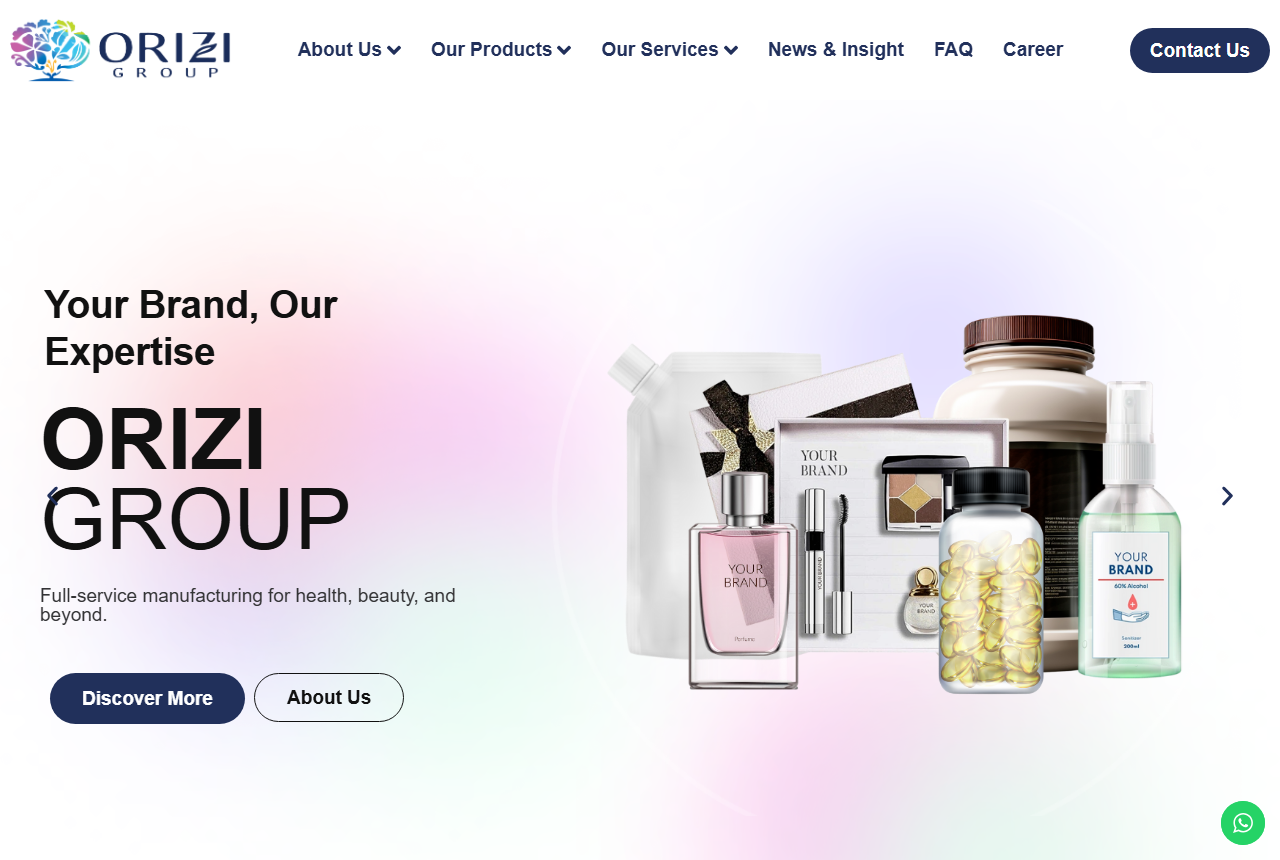
Based in: Ipoh, Perak · Website: www.orizigroup.com
Dr Orizi runs an integrated OEM/ODM ecosystem across skincare, personal care, hair care, baby care, colour cosmetics, lip products and fragrance. For private-label founders its draw is the mix of low minimum orders with full custom formulation, GMP/ISO 22716 production and NPRA notification support — the practical bundle a first brand needs. It is especially comfortable with viral/TikTok, KOL and pharmacy-channel launches that want to move quickly on modest stock.
2. A1 Kilang Kosmetik
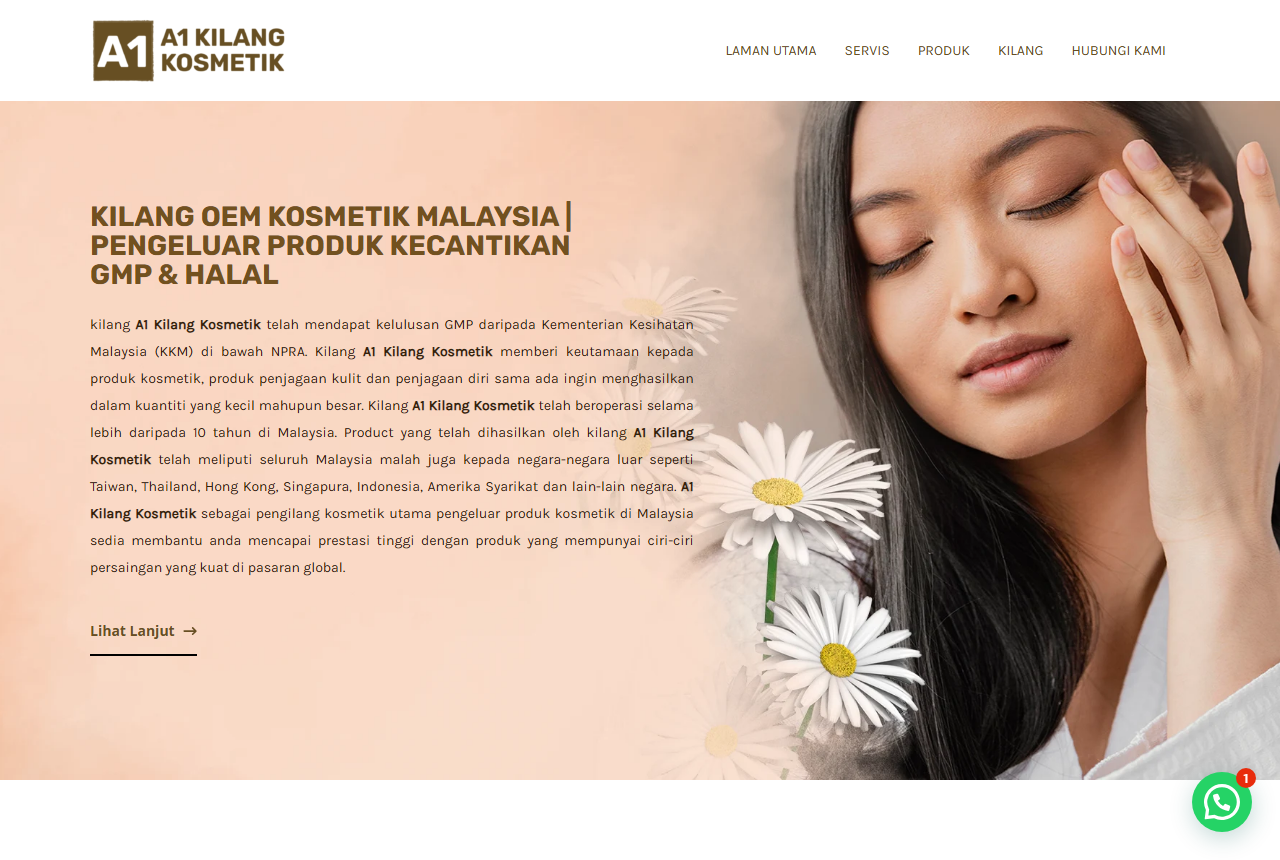
Based in: Pengkalan, Perak · Website: www.a1kilangkosmetik.com
A1 is a market-driven OEM/ODM focused on Halal beauty, skincare and personal care, and is popular with Muslim entrepreneurs and online sellers launching a first line. It pairs ISO 22716 cGMP production with R&D, registration and branding support, so a founder can arrive with an idea and leave with a notified, market-ready product — a strong fit when Halal credibility is central to the brand.
3. TCT Nutraceuticals Sdn. Bhd.
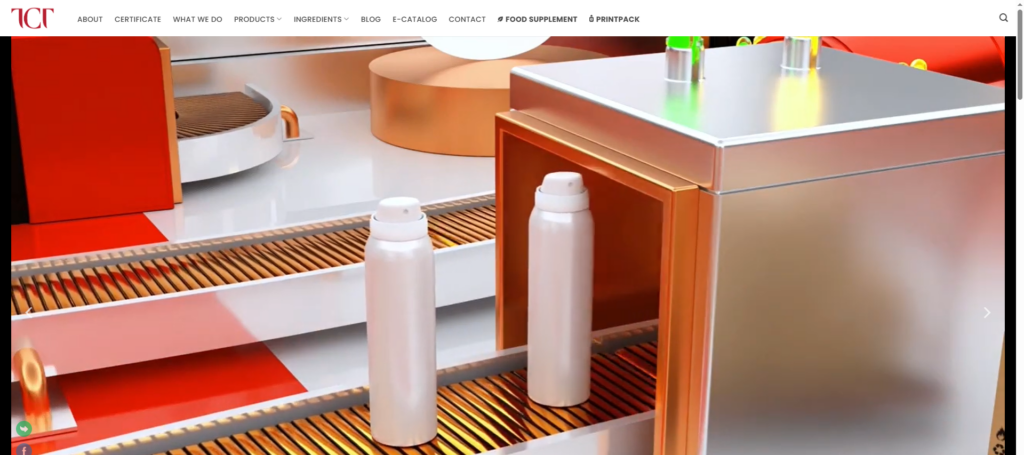
Based in: Puchong, Selangor · Website: tct.asia
TCT is a one-stop OEM/ODM specialist in skincare, sheet masks, soap bars and aerosols, including Bag-On-Valve formats many smaller factories cannot offer. With GMP/Halal production and FDA OTC support, it suits private-label brands whose roadmap spans several formats rather than a single hero SKU, letting one partner grow a whole range with you.
4. MM Cosmetic Sdn. Bhd.
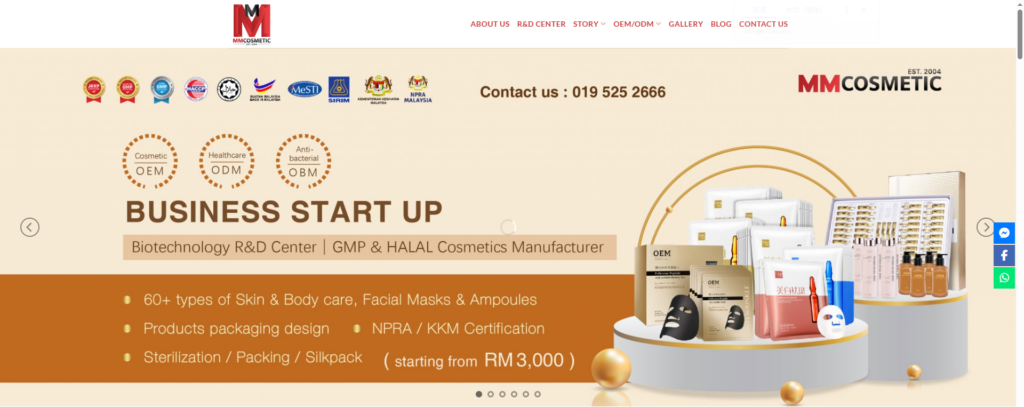
Based in: Ulu Tiram, Johor · Website: www.mmcosmeticgmp.com
MM Cosmetic is built for speed-to-market, with ready concepts across masks, serums, ampoules, toners and creams that let a brand launch without starting formulation from scratch. That makes it a strong pick for founders with a marketing window to hit who would rather adapt a proven base than wait out a long custom-development cycle.
5. Q & Z Cosmetics Manufacturing Sdn. Bhd.
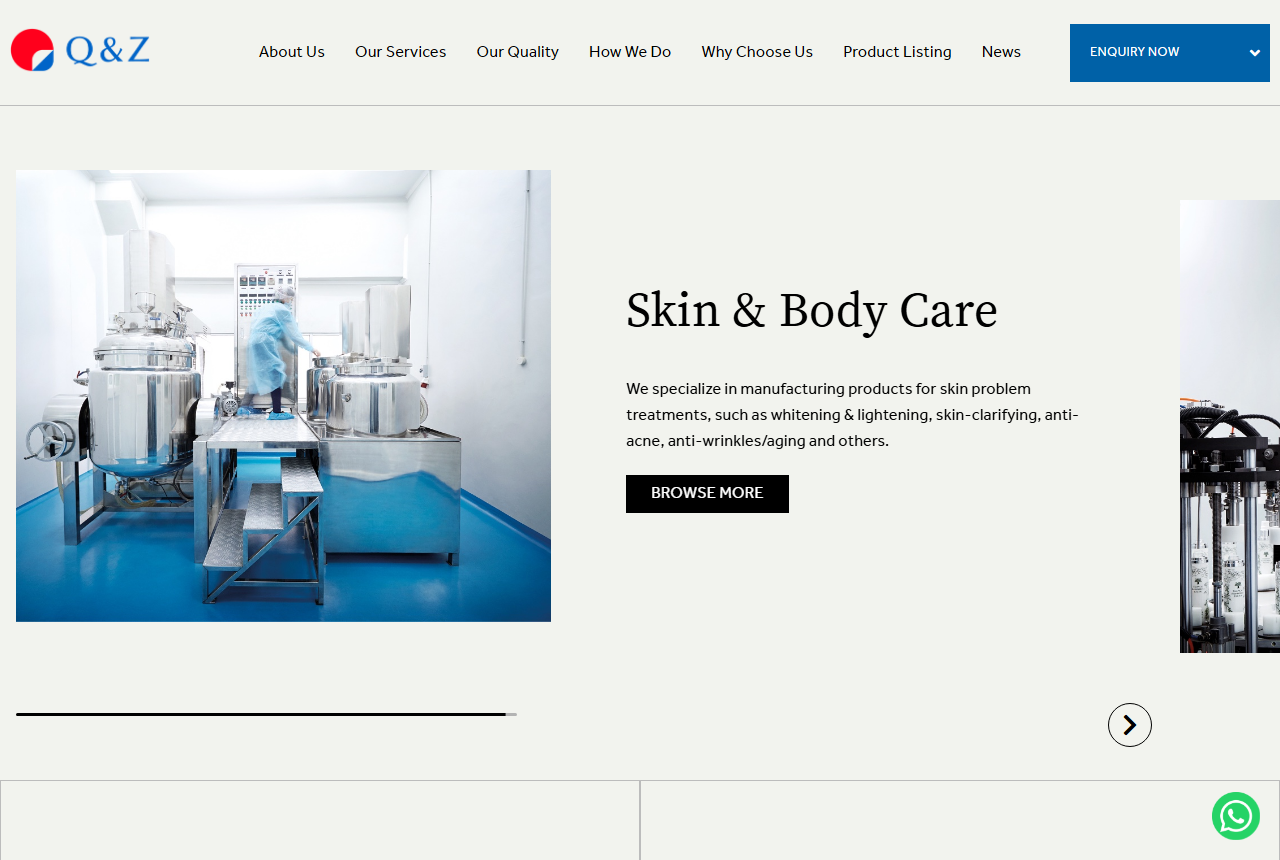
Based in: Puchong, Selangor · Website: qzcosmetics.com
With roots back to 1996, Q & Z brings deep experience in private-label skincare and professional derma-style products. Its broad range and long industry background make it a good match for brands wanting more clinically-positioned formulations rather than purely mass-market ones — a credible specialist if your concept sits in the treatment space.
MOQ and sampling: get the numbers first
Before you fall in love with a factory, pin down three figures: the MOQ per SKU (not just per order), the cost and turnaround of paid samples, and whether stock formulations carry lower minimums than fully custom ones. Low-MOQ makers can often start you in the low hundreds of units, while larger runs only make sense once demand is proven. Getting these numbers early stops a promising concept from stalling on economics later.
Halal and NPRA: the compliance you can’t skip
Two things sit alongside production. JAKIM Halal certification validates ingredients and process for the specific products in scope, and NPRA cosmetic notification is the mandatory step that lets any cosmetic be sold legally in Malaysia. A capable partner supports both, but spell out who holds and renews each in your agreement. Our breakdown of the cost of manufacturing a private label skincare product and the NPRA notification guide are useful reading before you commit.
Matching a partner to your stage
Choose by where your brand is: low-MOQ, fast-moving houses like Dr Orizi and A1 for a first launch; format specialists like TCT and MM Cosmetic when masks and serums are your core; and Q & Z when you need treatment-grade formulation. Browse more guides in our cosmetics, skincare & personal care section to sharpen your shortlist.
Pricing and margins: costing it properly
Unit price is only part of the picture. Build your costing from the fully-loaded landed cost — formula, packaging, filling, notification and any certification — then work backwards from your intended retail price and channel margins to see whether the numbers hold. Marketplace fees, influencer and sampling costs, and the discounts retailers expect can quietly erode a margin that looked healthy on the factory quote. A partner that hits its MOQ and lead times reliably is often cheaper in practice than a lower headline price that comes with slips and reworks.
Questions to ask before you sign
Before committing, get clear answers on a short checklist: the MOQ per SKU and per shade or variant; sampling cost and turnaround; who owns the formula if you leave; who holds the NPRA notification and product information file; the realistic lead time from approved sample to delivered stock; and how the factory handles a batch that fails QC. A serious manufacturer will answer these readily and put the important ones in writing. Vague or evasive responses at this stage are the clearest early warning sign you will get.
Frequently asked questions
Which factory is best for a small first launch?
For low-MOQ private label, Dr Orizi and A1 Kilang Kosmetik are the most startup-friendly here, with custom formulation and registration support suited to first-time founders.
Are these manufacturers Halal-certified?
Many hold or support JAKIM Halal certification, but scope is granted per product line. Always confirm current Halal status for your exact formulation directly with the maker.
Do they handle NPRA notification?
Reputable Malaysian manufacturers support NPRA cosmetic notification and GMP/ISO 22716 documentation. Clarify who holds the notification and how renewals work before committing.
How long does a private-label launch take?
It varies with formulation and packaging, but adapting a stock concept is faster than full custom development. Ask each factory for a realistic timeline from sample approval to delivered stock, and build in a buffer for notification and any revision rounds so your marketing launch date stays achievable.
Packaging, branding and your product information file
A private-label deal is more than a formula — it is a finished, branded product you can legally sell. Clarify early whether the factory sources packaging, handles artwork and labelling, and produces the compliant ingredient list and claims your market requires. Under Malaysian rules you must maintain a product information file for each notified cosmetic, so agree who compiles and holds it. Getting labelling and documentation right at the start avoids costly relabelling runs and keeps you on the right side of NPRA if your products are ever audited.
Formulation: stock, semi-custom or fully bespoke
Most factories offer three routes, and the choice drives both cost and timeline. Stock formulas are fastest and cheapest but shared with other brands; semi-custom lets you tweak fragrance, texture or a hero active on an existing base; and fully bespoke gives you a unique formula at the highest MOQ and longest lead time. For a first launch, a semi-custom approach often strikes the best balance — a differentiated product without the cost and risk of ground-up development. Ask each maker which routes it supports and what the MOQ and sampling look like for each.
Timeline and scaling up
Plan your launch around realistic stages: briefing, sampling and revisions, stability testing, packaging, NPRA notification and the first run. Once you have traction, talk to your partner about scaling — larger runs usually lower unit cost, and a good factory will help you step up volume without switching supplier. Keeping a single, capable partner as you grow preserves formula consistency and the institutional knowledge of your brand that a new factory would have to rebuild.
Certifications, MOQs and regulatory requirements change — always verify current Halal scope, NPRA status and capabilities directly with each manufacturer and the relevant authorities before committing.
About the author
Wei Ling Tan is a beauty brand and private label consultant who helps founders choose OEM partners and bring skincare ranges to market in Malaysia.