By Michelle Chong · Skincare Product Development Lead · Published 18 Sep 2026
For a Malaysian beauty brand, the Philippines is the closest large contract-manufacturing market that most founders never seriously consider. It sits inside the same ASEAN cosmetic rulebook that NPRA applies at home, it has hundreds of licensed plants built around small first orders, and its factories have spent a decade feeding the regional rebranding boom on Shopee, Lazada and TikTok Shop. That makes it a realistic second source, or a first source for a founder who wants a stock formula on shelf quickly.
This guide looks at eight Philippine cosmetic factories from a Malaysian buyer’s point of view. Each one was checked against the Philippine FDA’s public licence records and its live website on 18 September 2026. We then cover the questions that decide whether sourcing from Manila actually works for a Malaysian brand: NPRA notification through Quest3+, halal recognition, freight and landed cost, and when a local Malaysian OEM is simply the better answer.
Key takeaways
- Same rulebook, separate paperwork. The Philippines and Malaysia both apply the ASEAN Cosmetic Directive, so a Philippine formula usually needs no reformulation for Malaysia. It still needs its own NPRA notification, filed through Quest3+ by a Malaysian-registered company, before it can be imported or sold.
- You can verify a Philippine factory’s licence yourself. The Philippine FDA verification portal shows whether a company holds an approved Cosmetic Manufacturer licence, where the plant is and when the licence expires. Six of our eight passed that check directly; two publish their licence numbers on their own sites.
- Halal needs a named certifier. JAKIM’s January 2026 list recognises three Philippine halal bodies: IDCP, HDIP and HICCIP. Three factories below claim halal status, and only one names its certifier publicly.
- Low minimums are real, but mostly on stock formulas. The clearest published figure is 250 kg of bulk per SKU. Custom development and printed packaging push the real minimum higher.
- Local still wins for some brands. If you need JAKIM halal certification issued in Malaysia, fast reorders or hands-on development, a Malaysian OEM is usually simpler and often cheaper once freight and time are counted.
Why Malaysian brands are looking at the Philippines
Three things pull Malaysian founders towards Philippine factories. The first is price at small volume. The Philippine rebranding industry is built on stock formulas that can be filled into a customer’s packaging with little development cost, so the entry ticket for a first launch can be low. The second is category depth in areas Malaysian consumers also buy heavily: brightening and whitening care, herbal and coconut-oil formulations, hair treatments and body care. The third is a second-source argument. Brands that rely on a single Malaysian factory are starting to keep a qualified backup in another ASEAN country.
The pull has limits. The Philippine market is fragmented, many small plants market themselves mainly through Facebook pages rather than websites, and quality systems vary widely. That is why the licence check and the capture screen behind this list matter more here than they would in a market dominated by a few large exporters.
How we built this shortlist
We started from eighteen Philippine manufacturers named in search results, regional round-ups and the Philippine FDA’s own records. To make this list, a company had to hold a Philippine FDA licence as a cosmetic manufacturer (confirmed on the FDA portal, or published with its number on the company’s own site), openly offer toll, contract or private-label manufacturing to other brands, lead with cosmetics or personal care, and have a live website we could capture cleanly. Eight passed. They are listed alphabetically; the order is not a ranking.
Several well-known names did not make it. LeiaPure and Beauty Chef, both active private-label businesses, returned no manufacturer licence in our portal searches and publish none on their sites. GT Cosmetics is licensed but sells only its own brand. O.L.C. Cosmetics, South Care and Kaiser Dream are all licensed plants, but their websites were blocked, expired or unreachable on the day we checked. Everything here is desk research: no factory was visited and no sample was ordered.
The eight Philippine factories
A.M. Rieta Corporation (Kawit, Cavite)
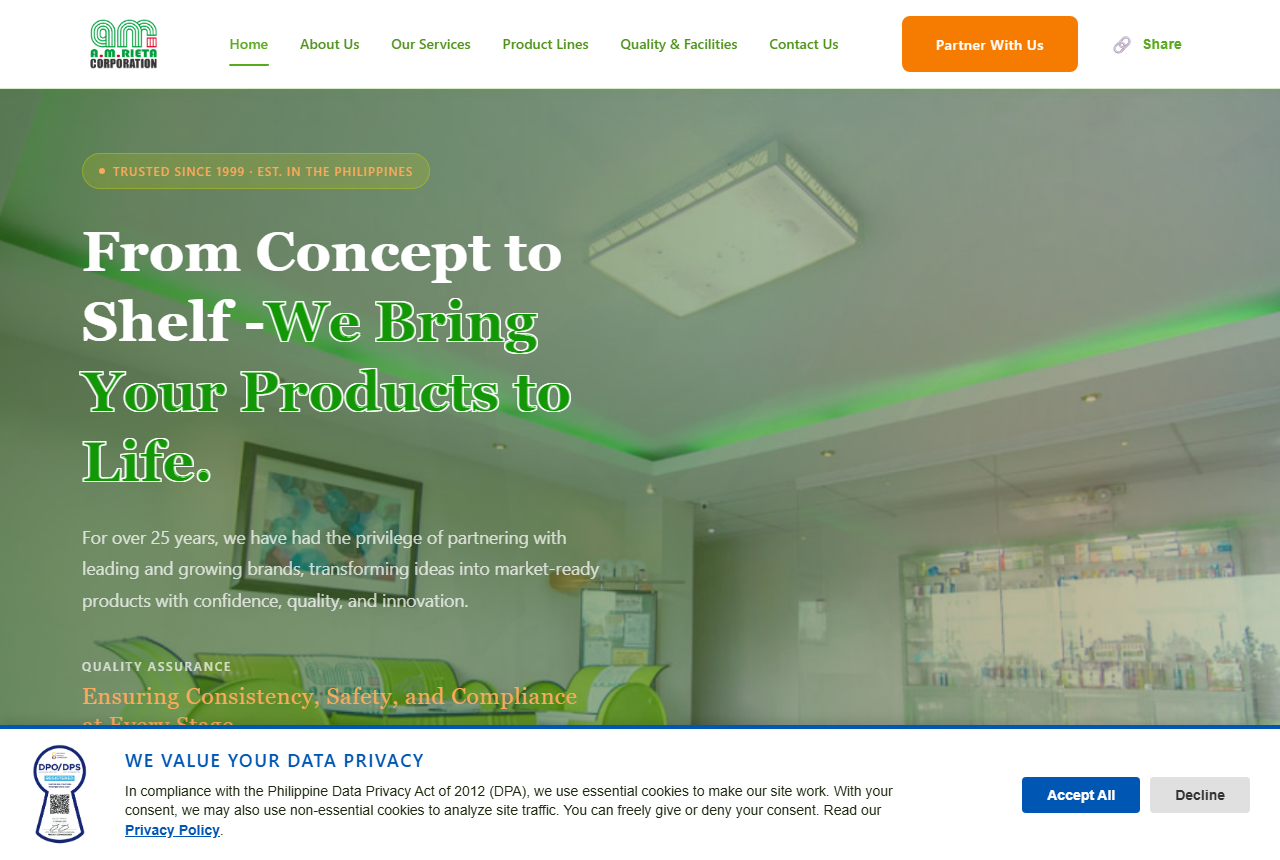
HQ: Kawit, Cavite · Type: ODM and contract manufacturer · Best known for: Wide personal-care range with ISO 22716 and a drug licence
Operating since 1999, A.M. Rieta works as a design-and-development partner rather than a filler, and says it has held ISO 22716 since 2007. For a Malaysian brand the interesting detail is its separate drug-establishment licence: if a product drifts towards medicated claims, which NPRA would treat under a different regime, this plant has experience on both sides of that line. Its halal claim is on the website, but the certifying body is not, so ask for the certificate before you plan any Malaysian halal marketing.
Arkana Laboratories (Cabanatuan, Nueva Ecija)
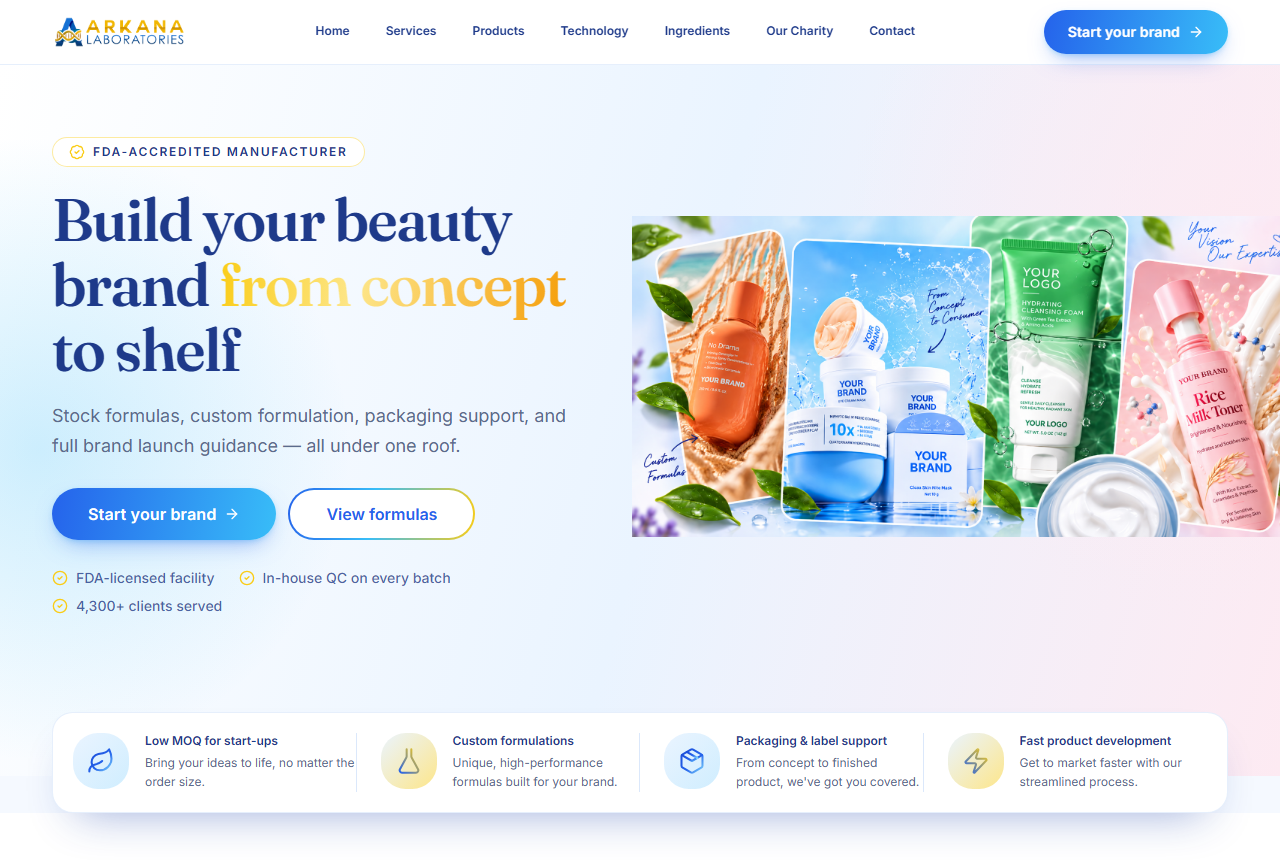
HQ: Cabanatuan City, Nueva Ecija · Type: Stock-formula private label and custom development · Best known for: Beginner-friendly soaps and brightening products
Arkana is built for first-time founders: a library of ready-to-brand formulas, packaging sourcing, paperwork help and even simple inventory software, backed by a claim of more than 4,300 clients served. Its showcase leans on soap bars and brightening actives such as tranexamic acid and vitamin C, which translate well to Malaysian shelves. Its licence records showed a validity date of 11 October 2026, so ask for the renewal before committing. Remember too that a stock soap is not exclusive to you.
Arkana Laboratories official website →
Kosmetics Technologies (Quezon City)
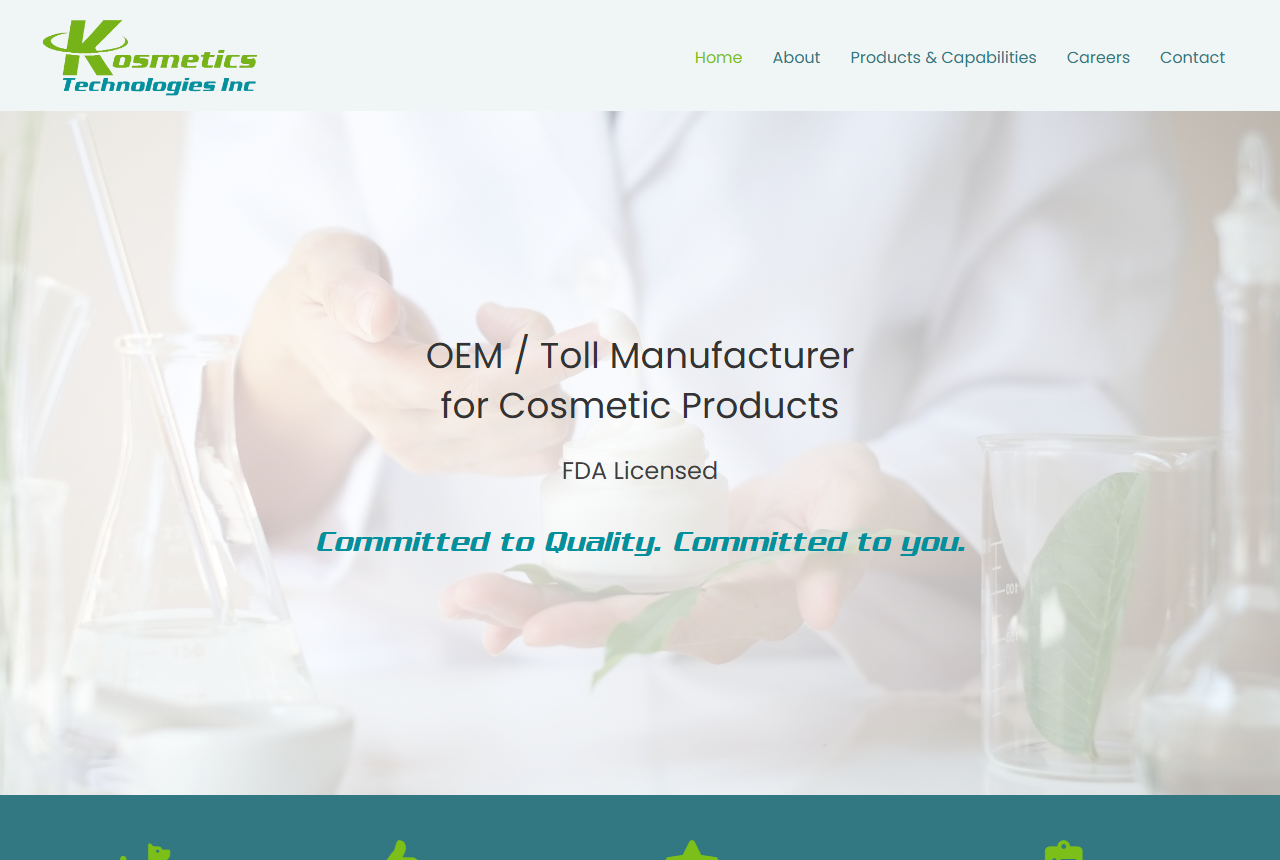
HQ: Quezon City, Metro Manila · Type: OEM and toll manufacturer · Best known for: Professional hair treatments and spa products
Kosmetics Technologies focuses on salons, spa chains and hotels, and says it produces for more than twenty brands. Its hair catalogue, covering keratin and argan treatments, hair spa, scalp detox and sulfate-free systems, is the deepest on this list, which suits a Malaysian salon group building its own retail range. It publishes its licence number in an older format that the FDA portal did not return in our searches, so request the current licence certificate as part of onboarding.
Kosmetics Technologies official website →
Orsolab (Tanza, Cavite)
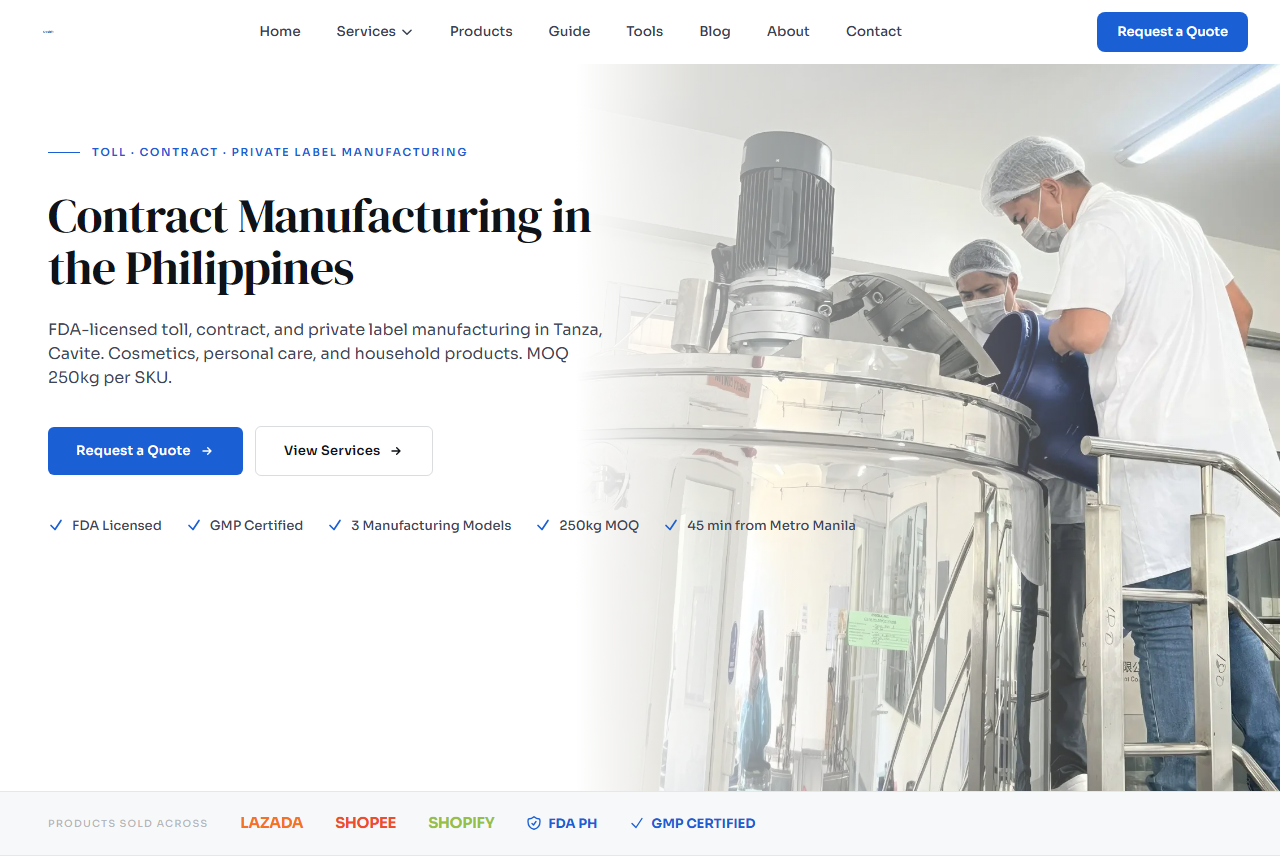
HQ: Tanza, Cavite · Type: Toll, contract and private label · Best known for: A published 250 kg batch minimum
Orsolab is the easiest factory here to budget with, because it publishes both its service models and its minimum: 250 kg of bulk per product, which it says fills roughly 1,250 to 8,300 units depending on pack size. It targets retailers, hotels and aesthetic clinics, a good match for Malaysian clinic brands wanting a white-label serum or sunscreen. It also runs household cleaning lines under a separate licence, so ask how the cosmetic line is kept apart.
Rainiers Research & Development Institute (Caloocan, Metro Manila)
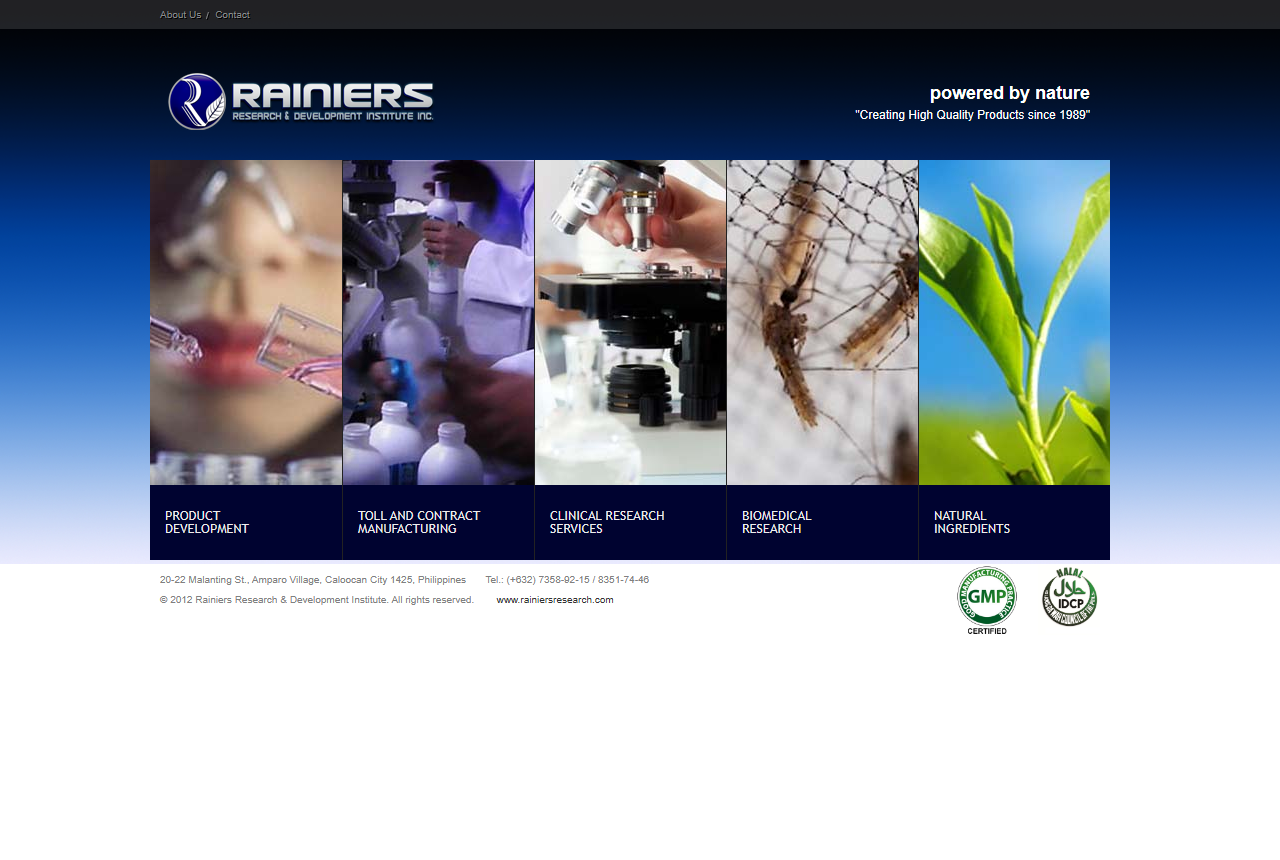
HQ: Caloocan, Metro Manila · Type: Developer and toll manufacturer · Best known for: Herbal formulations and IDCP halal
Rainiers has been formulating since 1989 around Philippine botanicals such as virgin coconut oil, calamansi, gugo and akapulco. It is the only factory on this list that names its halal certifier publicly: the IDCP, which appears on JAKIM’s recognised list. Its toll catalogue even lists liquid foundation in shades it describes for Chinese, Malay and Indian skin tones, an unusually direct fit for the Malaysian market. The website is visibly old, so judge the company on a sample and a video call rather than its homepage.
Refinette Cosmetic Manufacturing Corporation (Guiguinto, Bulacan)
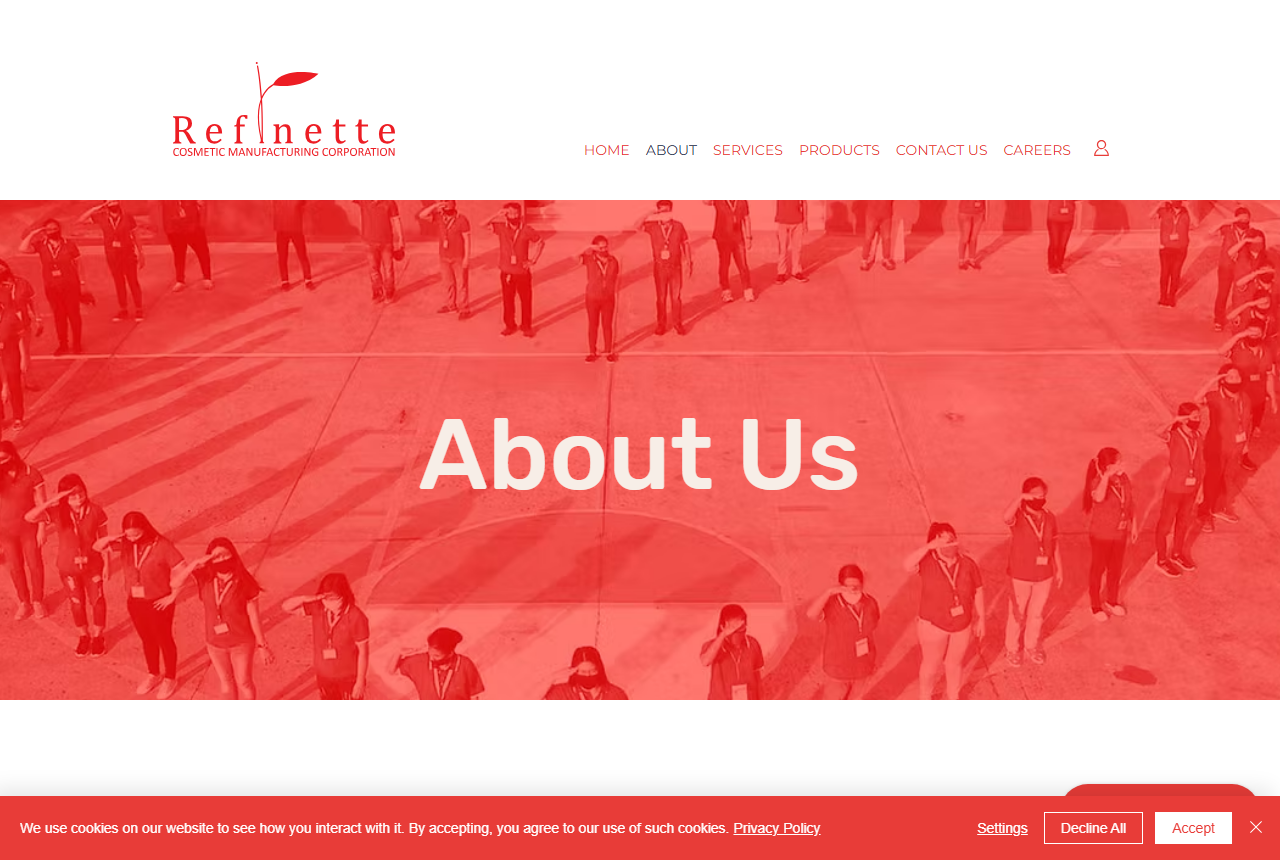
HQ: Guiguinto, Bulacan · Type: R&D-led contract manufacturer · Best known for: Scale, dual ISO certification and soap lines
Refinette is the largest operation here by its own account, with more than 500 staff, 33 years in the business, and both ISO 9001 and ISO 22716 certification. It also holds licences for food and drug manufacture. Its offer to help with documentation and claim substantiation is useful for a Malaysian brand, because NPRA expects the notification holder to keep a product information file ready on request. Its cosmetic manufacturing licence showed a validity date in 2037, the longest on this list.
Universal Skin Cosmeceuticals (Bacoor, Cavite)
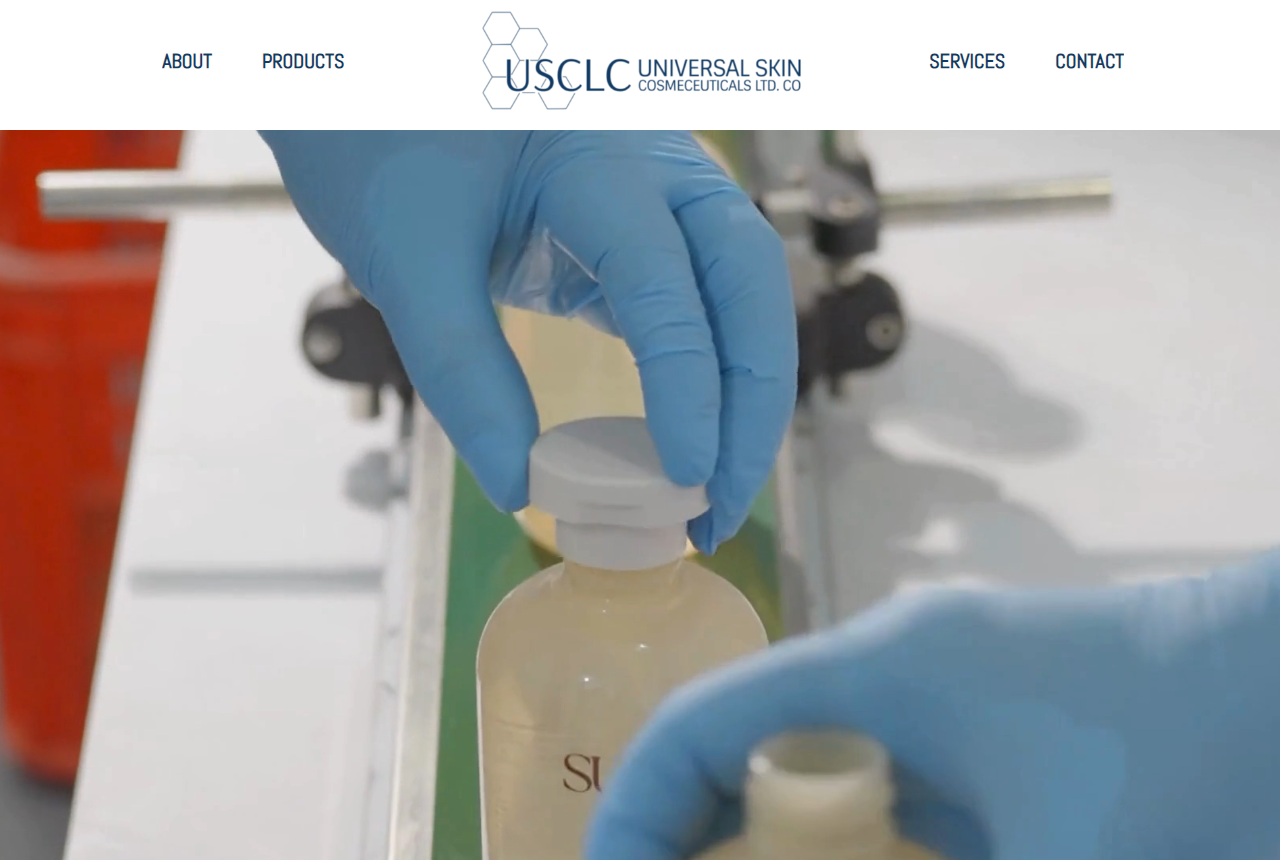
HQ: Bacoor, Cavite · Type: Contract and private label manufacturer · Best known for: Flexible routes from toll to fully custom
USCLC sets out four clear ways to work: bring your own materials, buy an all-in package, pick from hundreds of stock formulas, or commission a custom formula. It says everything is produced under the ASEAN cosmetic GMP guideline, the same framework NPRA uses, and it states an ambition to serve the wider ASEAN region. That regional focus makes it a sensible conversation for a brand planning Malaysia first and the Philippines second.
Universal Skin Cosmeceuticals official website →
Z Lab International (Santa Rosa, Laguna)
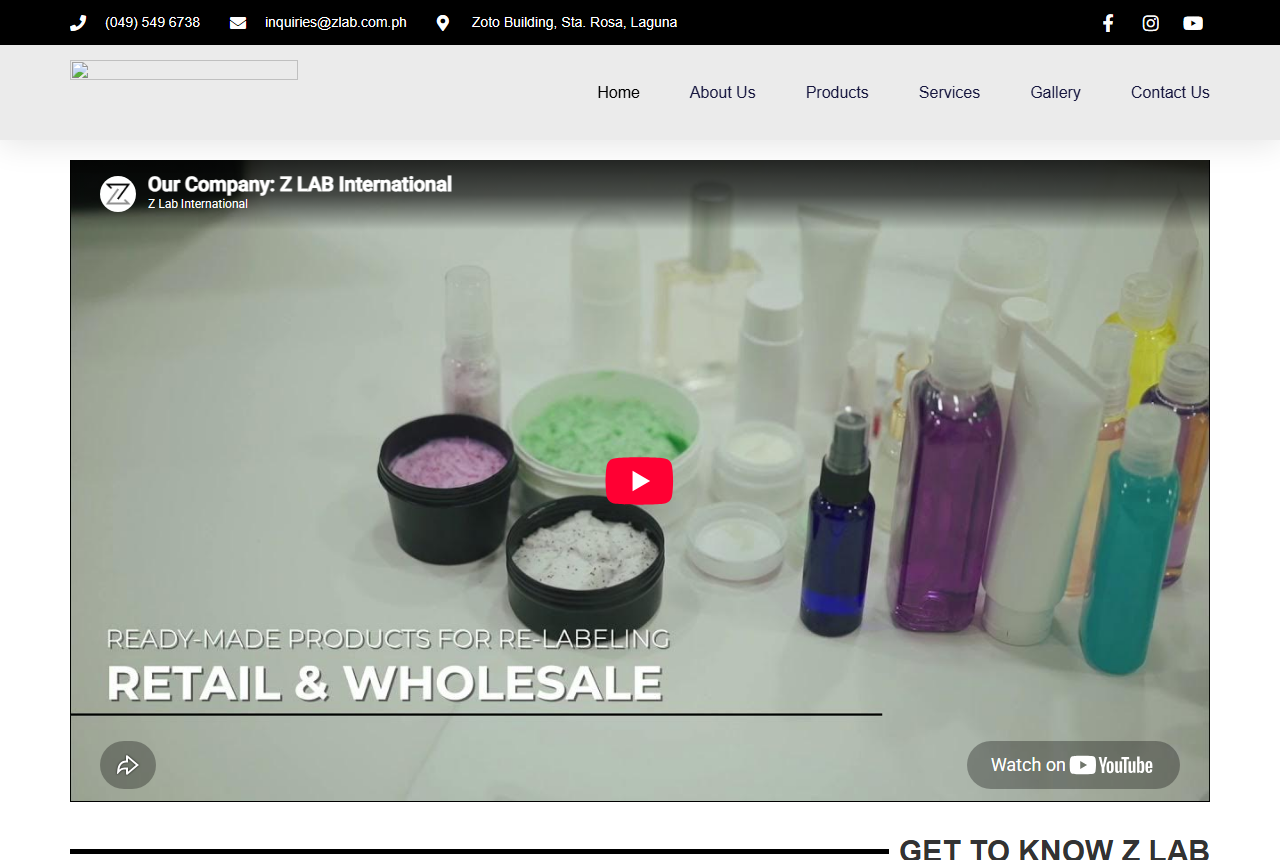
HQ: Santa Rosa, Laguna · Type: Manufacturer and ready-made relabelling · Best known for: Stock products for retail and wholesale
Z Lab leads with ready-made products that buyers can relabel, alongside formulation and sourcing services, and it holds an approved manufacturer licence at its Santa Rosa plant. For a Malaysian reseller wanting a quick range, that is the appeal. The caution is thin public information: its About and Services pages were not loading when we checked. Ask for a capability deck and reference products before you rely on it.
Z Lab International official website →
Getting a Philippine-made product into Malaysia: NPRA and Quest3+
The single most important point for a Malaysian buyer is that the Philippine factory cannot make your product legal in Malaysia. Cosmetics sold in Malaysia must be notified to the National Pharmaceutical Regulatory Agency (NPRA) through the Quest3+ system before they are imported or placed on the market. The notification is filed by a company registered in Malaysia, which becomes responsible for the product. For most brands that is your own Sdn Bhd, acting as importer.
Because both countries follow the ASEAN Cosmetic Directive, the ingredient annexes are the same, so a formula that complies in the Philippines usually complies in Malaysia. What changes is the documentation. You will need the full ingredient list with percentages, the manufacturer’s name and address as it appears on the Philippine licence, and a product information file you can produce if NPRA asks. Agree in your supply contract that the factory will supply these documents, in English, for every product and every reformulation. Our look at which Malaysian skincare factories combine GMP with real halal capability shows what NPRA-side readiness looks like at home, which is a useful benchmark for questioning an overseas plant.
Halal: which Philippine certificates Malaysia recognises
For many Malaysian brands, halal status is not optional. JAKIM publishes a list of foreign halal certification bodies it recognises, and the version dated 30 January 2026 names three in the Philippines: the Islamic Da’wah Council of the Philippines (IDCP), the Halal Development Institute of the Philippines (HDIP) and the Halal International Chamber of Commerce and Industries of the Philippines (HICCIP). A certificate from one of these bodies is the starting point. It is not the finish line.
Check three things before you print a halal logo on a Philippine-made product: that the certificate is in the factory’s registered name and covers the plant address, that its scope covers cosmetics and your specific products, and that it is current. Ask for the raw-material halal documents too, because a single non-compliant ingredient invalidates the claim. Of the eight factories above, Rainiers names IDCP publicly, while Refinette and A.M. Rieta state halal certification without naming the certifier on their homepages.
Freight, lead time and landed cost from Manila
Manila and Port Klang are well connected by container shipping, and port-to-port transit is typically counted in days to a couple of weeks rather than the month-plus you would plan from Europe or the Americas. The bigger time costs are elsewhere: production scheduling at the factory, documents for export and import clearance, and your NPRA notification, which must be in place before the goods arrive. A realistic first order should be planned in months, not weeks.
Duty is usually not the problem. Trade between ASEAN members under the ATIGA agreement generally attracts preferential tariffs on qualifying goods, provided you have the correct certificate of origin (Form D) from the exporter. Sales tax and clearance charges may still apply at import, so confirm the treatment for your tariff code with the Royal Malaysian Customs Department. When you compare quotes, compare landed cost per unit (ex-works price, freight, insurance, clearance, tax and warehousing) against a Malaysian factory’s delivered price, not ex-works against delivered.
MOQ and the stock-formula trade-off
Philippine minimums look attractive, and on stock formulas they genuinely are. The catch for a Malaysian brand is freight economics. A 250 kg batch that fills a few thousand units is cheap to make but relatively expensive to ship as a small consolidated consignment, and the per-unit freight on a tiny first order can erase the saving. Stock formulas also carry a sameness risk: the serum you rebrand may already be on Shopee Malaysia under another name.
The practical approach is to use a Philippine stock formula to test demand only if the numbers still work after freight, and to plan a customisation step, such as a fragrance change, an active swap or a new texture, before you scale. Ask each factory for minimums on every component, not only the bulk, and read our guide to sourcing cosmetics from South Africa to see how the same MOQ-versus-freight maths plays out from a more distant market.
Checking a factory before you pay a deposit
The Philippine FDA verification portal is the most useful tool a Malaysian buyer has. Search the factory’s registered company name, and look for an approved licence whose activity reads “Cosmetic Manufacturer”, with an address that matches the plant you are being shown and a validity date well beyond your first production run. A licence as a trader or distributor means the company is allowed to sell products, not make them.
Then do the same checks you would do at home: a live video walkthrough of the compounding and filling areas, current GMP and ISO certificates in the factory’s own name, a stability and compatibility plan for your formula in your packaging, and a written specification with tolerances. Treat any reluctance to show the licence, the plant or the certificates as a reason to move on.
When a Malaysian OEM is the better choice
For many brands, sourcing locally is the stronger option, and it is worth saying so plainly. If you need a Malaysian JAKIM halal certificate rather than a recognised foreign one, if you want to attend development sessions in person, if you plan frequent small reorders, or if your launch date is tight, a Malaysian factory removes a layer of freight, customs and documentation risk. Local plants also work with NPRA every day, which shortens the notification cycle.
The Philippines makes most sense when a specific capability is the draw, such as herbal formulations built on Philippine botanicals, a particular stock product, or salon-grade hair treatments. It also makes sense as a second qualified source for a product already selling well. Browse the full cosmetics, skincare and personal care guides to compare local options before you commit overseas.
A simple decision checklist
- Is the factory’s licence approved, as a Cosmetic Manufacturer, at the plant address you were shown, and valid past your launch?
- Will the factory supply a full formula disclosure and product information documents in English for your NPRA notification?
- If you need halal, is the certificate from IDCP, HDIP or HICCIP, in the factory’s name, and does its scope cover your products?
- Does the landed cost per unit beat a Malaysian factory’s delivered price at your real first-order volume?
- Is the formula exclusive to you, or a stock product you are rebranding?
- Who owns the formula and the development work if you move production later?
Frequently asked questions
Can I import cosmetics made in the Philippines into Malaysia?
Yes, provided each product is notified to NPRA through Quest3+ before import. The notification must be filed by a company registered in Malaysia, usually the brand owner or its appointed importer. Because both countries follow the ASEAN Cosmetic Directive, reformulation is rarely needed, but you will need complete ingredient and manufacturer details from the Philippine factory.
Does JAKIM accept halal certificates from the Philippines?
JAKIM recognises specific foreign certification bodies rather than a whole country. As at 30 January 2026, its list includes three Philippine bodies: IDCP, HDIP and HICCIP. Check that the factory’s certificate comes from one of them, is current, and covers cosmetics and your specific products. JAKIM updates its list periodically, so confirm before launch.
Are Philippine cosmetic factories cheaper than Malaysian ones?
Sometimes, mainly on stock formulas at small volumes. Once freight, clearance, documentation and the time cost of managing an overseas supplier are added, the gap often narrows or disappears. Compare landed cost per unit, not factory price.
How do I know a Philippine factory is genuinely licensed?
Search its registered name on the Philippine FDA verification portal. A genuine plant appears with an approved licence whose activity is Cosmetic Manufacturer, an address and a validity date. If nothing appears, ask for the licence certificate and search its number directly.
This article is general guidance based on desk research and company websites reviewed on 18 September 2026. Regulations, certifications and licences change; verify current requirements with NPRA, JAKIM, the Royal Malaysian Customs Department and the Philippine FDA before making sourcing decisions.
About the author
Michelle Chong leads skincare product development projects and writes about formulation, sourcing and market trends for Malaysian beauty brands.